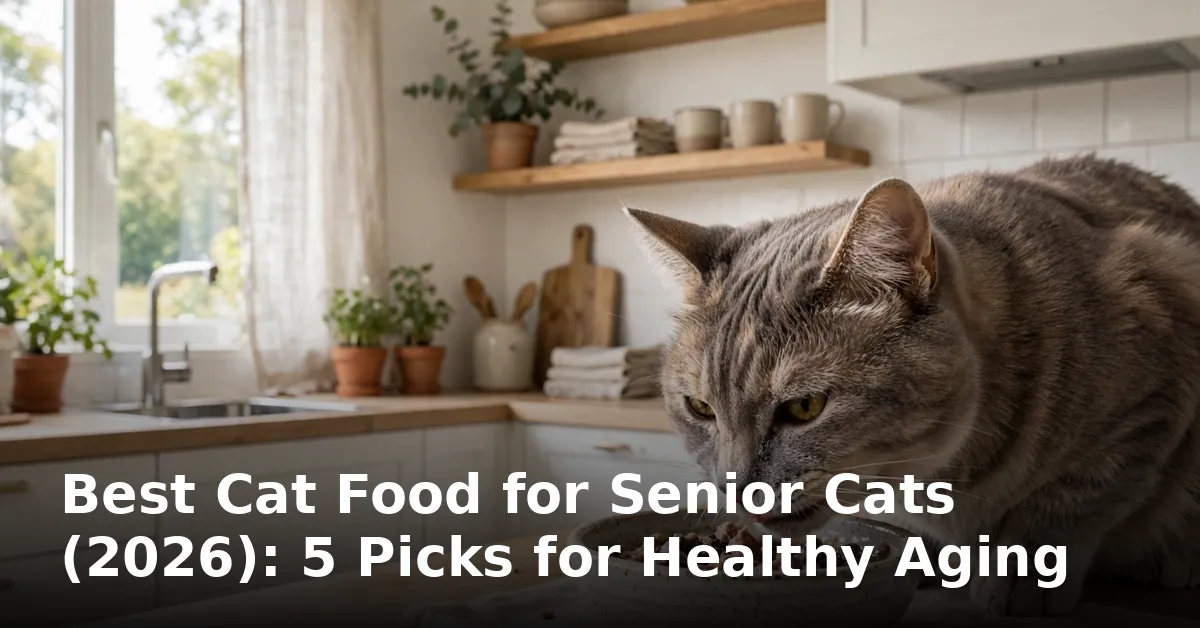
Best Cat Food for Senior Cats (2026): 5 Picks for Healthy Aging
Best Cat Food for Senior Cats (2026): 5 Picks for Healthy Aging
By age seven or eight, your cat’s body is quietly changing: muscle mass drops, kidneys work harder, digestion gets less efficient, and joints stiffen after long naps. The right food cannot stop aging, but it can make those golden years healthier and more comfortable. In this guide to the best cat food for senior cats, we compare five formulas that veterinarians recommend most often, so you can pick the right one for your cat.
In This Article
Prices change — check the current price before buying.
1. Hill’s Science Diet Adult 11+ Chicken Recipe — Best for Cats Losing Weight
Hill’s Science Diet Adult 11+ is designed for cats aged eleven and older, and it stands out for calorie density. At around 504 calories per cup, it packs far more energy into each serving than most senior formulas — a smart choice for older cats who are dropping weight or eating less.
Chicken is the first ingredient, and the recipe includes minerals for kidney and bladder health, plus vitamin E and omega-6 fatty acids for skin and coat. Hill’s is one of the brands veterinary clinics stock most often, and the small kibble is easy to chew for cats with worn teeth.
Best for: Senior cats aged 11 and older who need to hold or regain weight.
Keep in mind: The high calorie density can work against overweight seniors.
2. Purina ONE Senior 7+ Indoor Advantage — Best High-Protein Pick
Purina ONE Senior 7+ Indoor Advantage takes a protein-first approach. With at least 36 percent crude protein, it delivers more protein per serving than most senior formulas, directly addressing the muscle loss that speeds up as cats age. Real chicken is the first ingredient.
It also includes glucosamine for joint support, an antioxidant blend for immune health, and fiber for hairball control. It is widely available in supermarkets and pet stores across the USA, UK, Canada, and Australia.
Best for: Indoor cats aged seven and older who need extra protein to hold muscle, and cats with occasional hairballs.
Keep in mind: The high protein level is not ideal for cats with diagnosed kidney disease — ask your vet about a prescription renal diet instead.
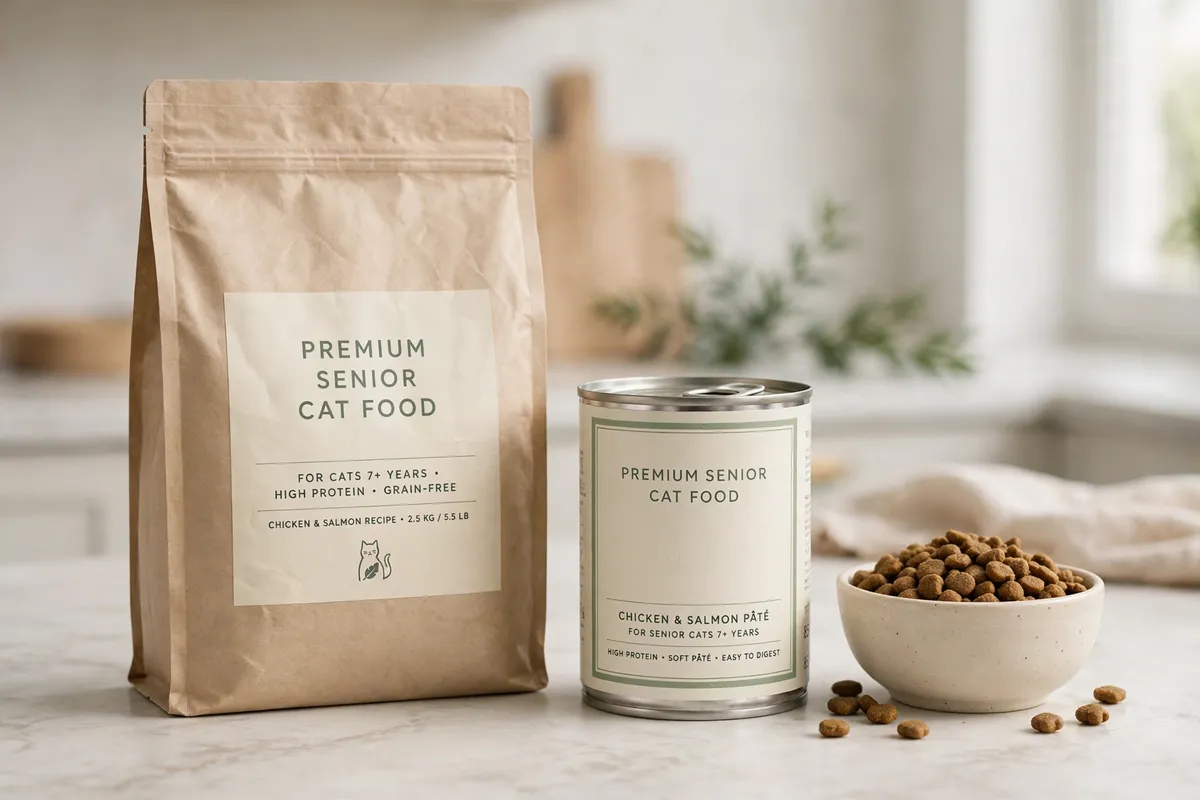
3. Royal Canin Aging 12+ — Best for Kidney Support
Royal Canin Aging 12+ targets the oldest cats, those aged twelve and up, with a formula built around kidney protection. Its phosphorus level, around 0.48 percent minimum, is among the lowest in over-the-counter senior foods — important because phosphorus management matters more as kidney function naturally declines.
It also has more fiber than most senior formulas, and the kibble shape suits older jaws. It is one of the few senior foods with a specific recipe for spayed and neutered seniors.
Best for: Cats aged twelve and older, especially those whose vet has mentioned early kidney changes.
Keep in mind: Royal Canin costs more than supermarket brands, and cats under twelve may suit the regular Royal Canin Indoor 7+ better.
4. IAMS ProActive Health Senior 11+ — Best Budget Pick
IAMS ProActive Health Senior 11+ is the value pick on this list. Real chicken is the first ingredient, and the formula includes L-carnitine for weight management, prebiotic fiber for digestion, and vitamin E for immune support.
The kibble is smaller than standard adult kibble, which helps older cats with dental problems, and the recipe carries a minimum of 34 percent crude protein — a solid number for a budget-friendly senior food.
Best for: Owners who want a vet-formulated senior food at a grocery-store price, and cats aged eleven and older who need weight control.
Keep in mind: It contains grains, so skip it if your vet has recommended a grain-free diet.
5. Fancy Feast Senior 7+ Classic Pate — Best Wet Food for Picky Eaters
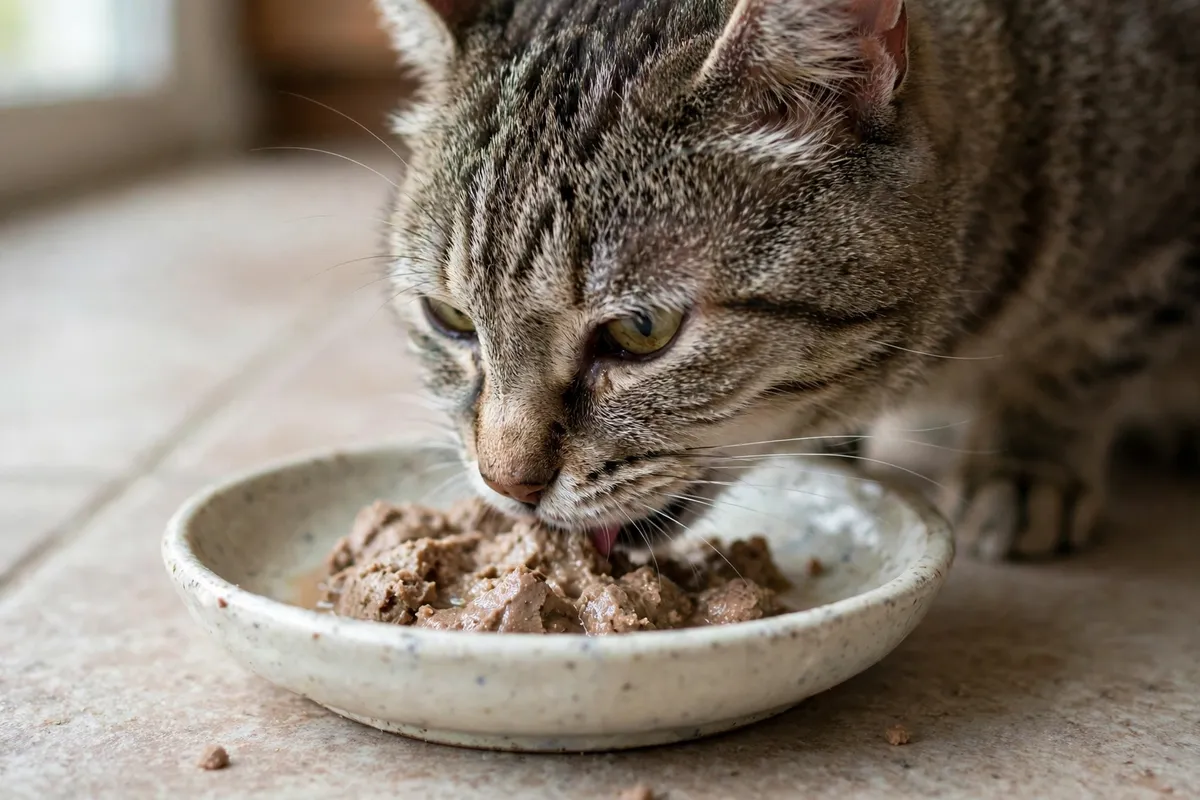
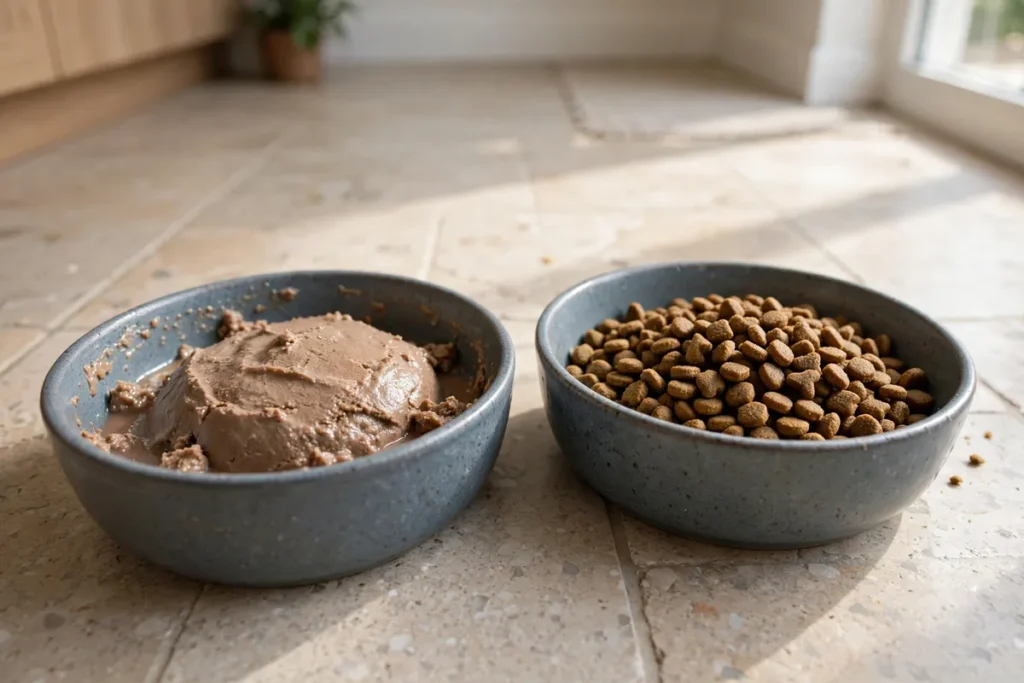
Some senior cats simply stop enjoying dry food. Sore teeth, a weaker sense of smell, or a smaller appetite can all make kibble unappealing — and that is where a wet senior formula earns its place. The Fancy Feast Senior 7+ variety pack comes in classic pate and minced textures, with flavors like beef, chicken, and tuna, all made for cats seven and older.
Wet food adds moisture to your cat’s diet, which supports kidney and urinary health, and the soft texture is gentle on aging teeth and gums. The recipes are complete and balanced, with antioxidants for immune support and plenty of protein for muscle maintenance. Many owners mix a spoonful into dry food to tempt a reluctant eater.
Best for: Senior cats with dental problems, picky eaters, and cats that need extra hydration.
Keep in mind: Opened cans need refrigerating, and some cats love one flavor and reject the rest of the variety pack.
Buying Guide: How to Choose the Best Cat Food for Senior Cats
Start with your cat’s age. Formulas labeled 7+ suit cats entering their senior years, while 11+ and 12+ recipes are calibrated for the oldest cats. Match the label to your cat’s actual age.
Check the AAFCO statement. Look for wording on the bag or can saying the food is complete and balanced for adult maintenance. AAFCO does not define a separate senior nutrient profile, so senior foods are adult formulas with targeted adjustments — the statement proves the food is a real meal, not a treat.
Prioritize protein, but watch phosphorus. Older cats need enough protein to protect muscle, but if kidney values are rising, phosphorus becomes the number to watch. Let your vet’s bloodwork guide the trade-off.
Transition slowly. Switch over seven to ten days, mixing a little more of the new food in each day.
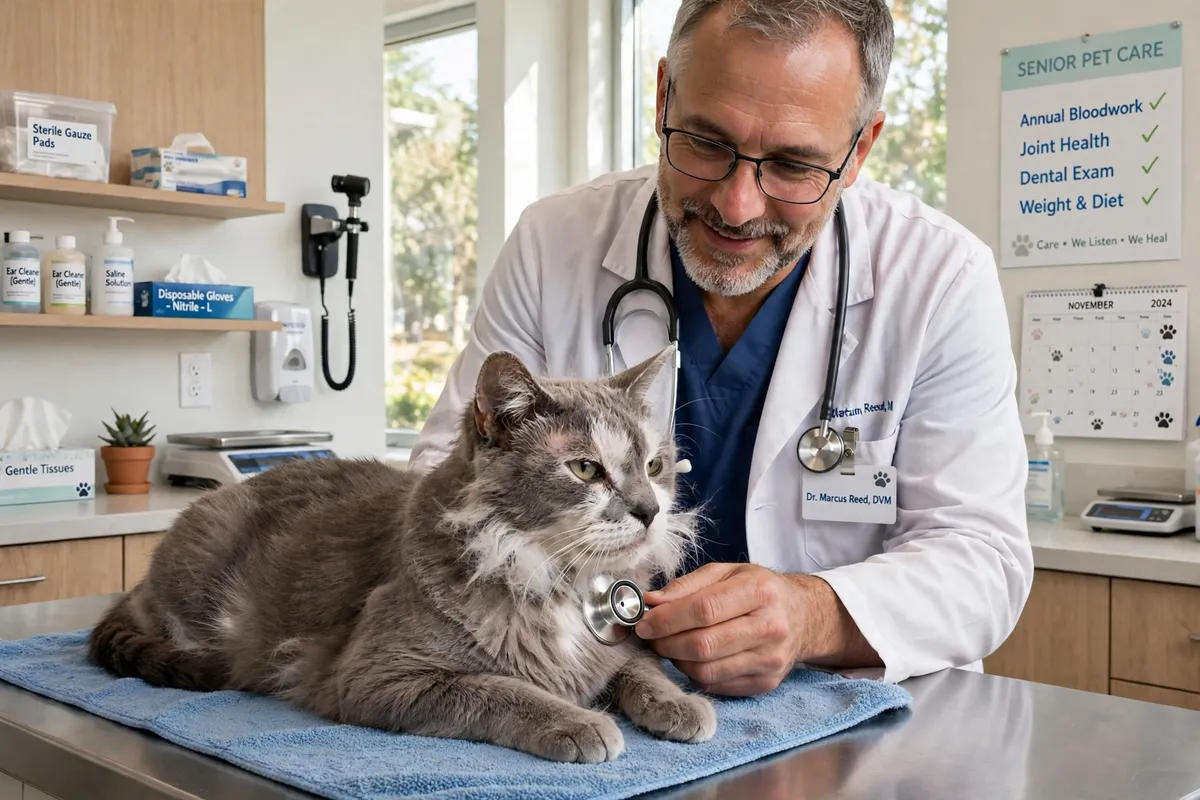
Ask your vet first if your cat has a diagnosis. Cats with kidney disease, hyperthyroidism, or diabetes usually need a prescription diet, which is a different category from the foods on this list. And if you also have a younger cat at home, check our best cat food for kittens roundup.
Frequently Asked Questions
When should I switch my cat to senior food?
Most vets suggest moving to a senior formula around age seven or eight, when muscle loss and kidney changes begin. If your cat is healthy and holding weight on an adult food, there is no rush — but a senior formula is worth discussing at the next vet visit.
Is grain-free senior cat food better?
Not necessarily. Grain-free only helps if your vet has diagnosed a grain sensitivity. For most seniors, a grain-inclusive food from a reputable brand is fine, and grain-free diets can be higher in calories without extra nutrition.
Can senior cats eat kitten food?
No. Kitten food is calorie-dense and rich in growth minerals, which can cause weight gain and extra kidney strain in an older cat. Senior cats need the opposite: moderate calories, controlled phosphorus, and enough protein to hold muscle.
The Bottom Line
The best cat food for senior cats depends on your cat’s age and health. Hill’s Science Diet Adult 11+ is the top choice for seniors losing weight, Purina ONE Senior 7+ offers the most protein for muscle support, Royal Canin Aging 12+ is the strongest pick for kidney-conscious feeding, IAMS ProActive Health Senior 11+ delivers solid nutrition at a budget price, and Fancy Feast Senior 7+ is the wet food to reach for when a picky senior turns away from kibble. Whichever you choose, transition slowly, keep fresh water available, and check in with your vet — the right food plus regular checkups is the best recipe for healthy aging.
Disclaimer: This article is for general information only and is not a substitute for professional veterinary advice. If your cat has kidney disease, diabetes, hyperthyroidism, or any other health condition, consult your veterinarian before changing their diet.