Best Cat Food for Kittens (2026): 5 Vet-Recommended Picks
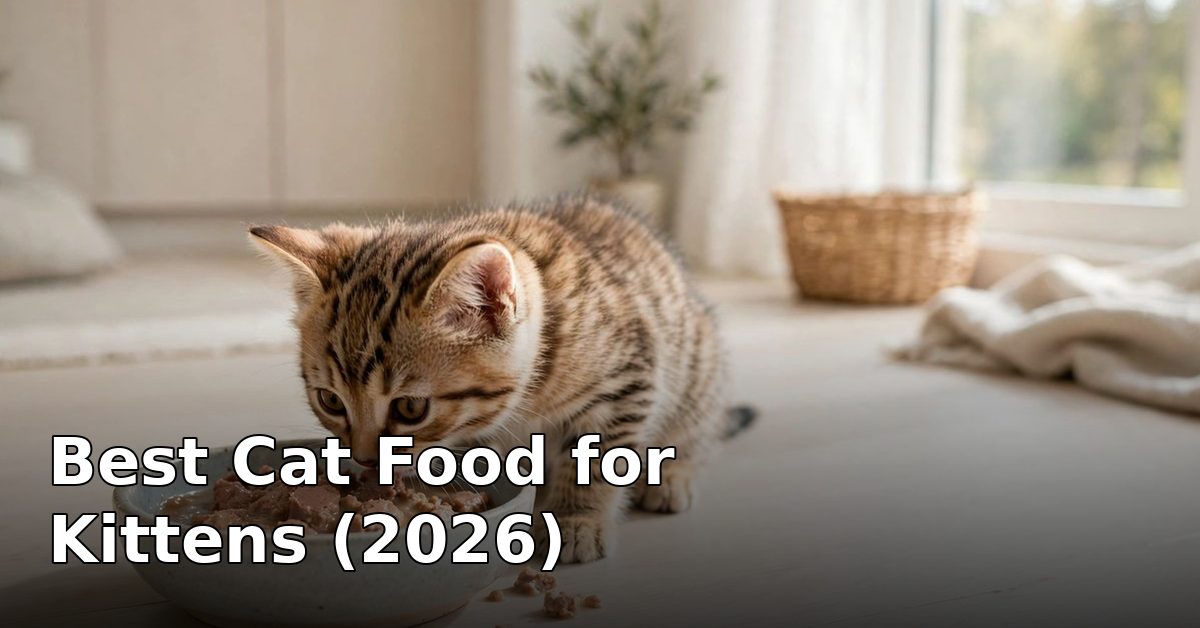
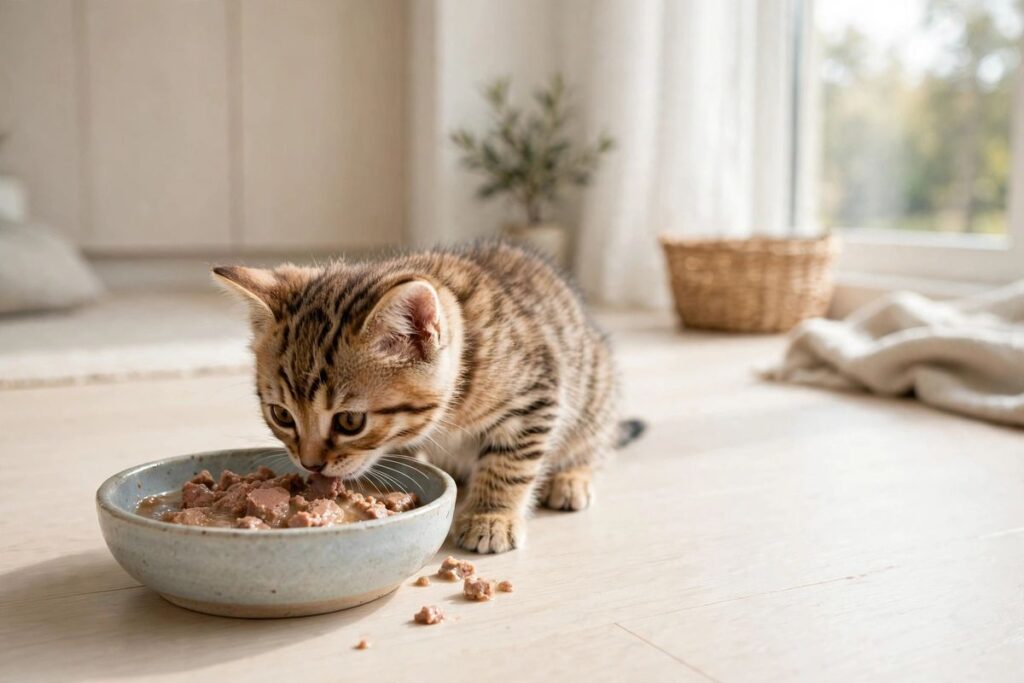
A new kitten is tiny, hungry, and growing fast — and the food you choose in the first year shapes how healthy that cat will be as an adult. Kittens need more calories, protein, and DHA than adult cats, so adult cat food is not enough. This guide picks five kitten foods that veterinarians consistently recommend, explains what to look for on the label, and helps you match a food to your kitten’s needs. If you adopted a shy kitten, also read our guide to help a scared rescue cat settle in for a calmer first week. Read on to find the best cat food for kittens for your budget and kitten’s size.
Table of Contents
Prices change — check the current price before buying.
Quick picks
| Best for | Pick | Why it stands out |
|---|---|---|
| Best overall | Royal Canin Kitten | Vet-recommended, small easy-to-eat kibble, DHA for brain development |
| Best for sensitive stomachs | Hill’s Science Diet Kitten | Gentle, easy-to-digest formula with DHA and balanced minerals |
| Best value | Purina Cat Chow Kitten | Affordable, widely available, complete and balanced for growth |
| Best wet food | Blue Buffalo Baby BLUE Healthy Growth | Real chicken first, wet food for hydration and easy eating |
| Best popular all-rounder | Iams Proactive Health Kitten | Chicken first, solid nutrition at a fair price |
1. Royal Canin Kitten — Best Overall
Royal Canin Kitten is one of the most recommended kitten foods among veterinarians, and it is a safe first choice for most kittens up to 12 months old. The kibble is small and easy for tiny mouths to chew, and the formula includes DHA for healthy brain and eye development, plus antioxidants to support the immune system.
Good for: First-time kitten owners who want a vet-trusted default.
Watch out for: Premium price compared with supermarket brands.
2. Hill’s Science Diet Kitten — Best for Sensitive Stomachs
Hill’s Science Diet is another brand veterinarians recommend often, and its kitten formula is a good pick if your kitten has a sensitive stomach or soft stools. It uses high-quality, easy-to-digest ingredients, with DHA for brain development and balanced minerals for healthy bones and teeth.
Good for: Kittens with sensitive digestion, and owners who want a gentle, vet-backed formula.
Watch out for: Like most premium foods, it costs more per bag than budget brands.
3. Purina Cat Chow Kitten — Best Value
If you want solid nutrition without the premium price, Purina Cat Chow Kitten is a widely available, affordable option. It is formulated to be complete and balanced for growth, with DHA for brain and vision development. It is easy to find in most US, UK, Canadian, and Australian supermarkets and pet stores.
Good for: Owners on a budget who still want a complete, balanced kitten food.
Watch out for: It has fewer specialized formulas than Royal Canin or Hill’s — if your kitten needs a specific diet, ask your vet.
4. Blue Buffalo Baby BLUE Healthy Growth — Best Wet Food
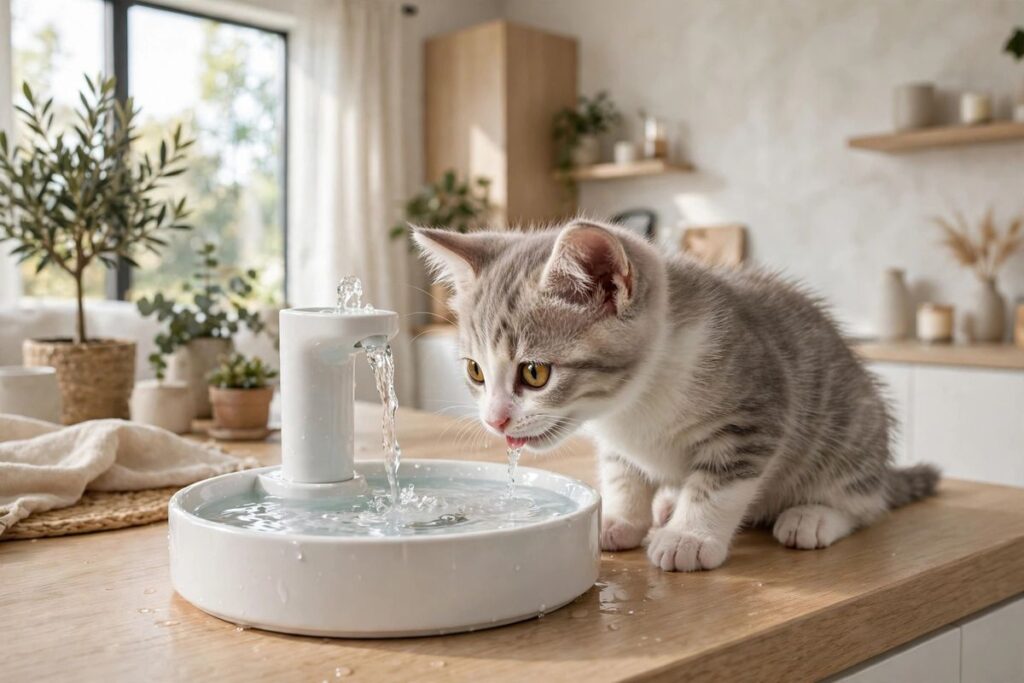
Wet food is a great addition to a kitten’s diet because it adds moisture, which helps with hydration, and it is easy for very young kittens to eat. Blue Buffalo Baby BLUE Healthy Growth starts with real chicken, includes DHA, and comes in both wet and dry forms so you can mix and match.
Good for: Kittens who prefer wet food, weaning kittens, and owners who want to add moisture to the diet.
Watch out for: Wet food costs more per serving than dry food, and leftovers need to be refrigerated.
5. Iams Proactive Health Kitten — Best Popular All-Rounder
Iams is a long-established brand with a solid kitten formula. Chicken is the number one ingredient, and the food includes DHA and the nutrients kittens need for healthy growth. It is widely available and usually priced between budget and premium brands.
Good for: Owners who want a reliable, widely available kitten food at a fair price.
Watch out for: Pick the kitten formula, not the adult formula — adult Iams does not have the extra calories and nutrients kittens need.
How to Choose the Best Cat Food for Kittens (Buying Guide)
- Look for the AAFCO statement. In the US, the label should say the food is “complete and balanced” for growth (kittens), based on AAFCO nutrient profiles. This is the single most important check.
- Named animal protein first. Chicken, salmon, or turkey should be the first ingredient — not “meat by-products” or corn.
- DHA for brain development. DHA (an omega-3) supports brain and eye development in kittens, just as it does in puppies.
- Kitten, not “all life stages” by default. A food labeled for kittens is formulated for growth. An “all life stages” food can work, but check that it meets AAFCO growth requirements.
- Wet, dry, or both. Dry food is convenient and good for teeth; wet food adds hydration. Many owners feed a mix of both.
- Switch foods slowly. Mix the new food with the old over 7 days to avoid an upset stomach.
- Ask your vet. The right food depends on your kitten’s age, weight, breed, and any sensitivities.
How much to feed a kitten
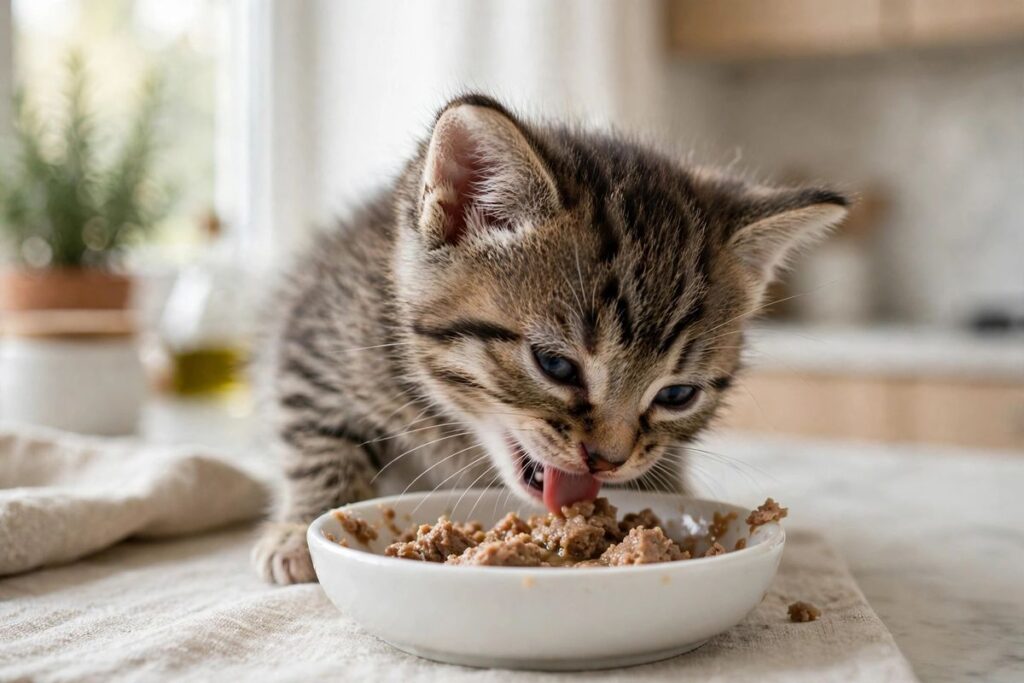
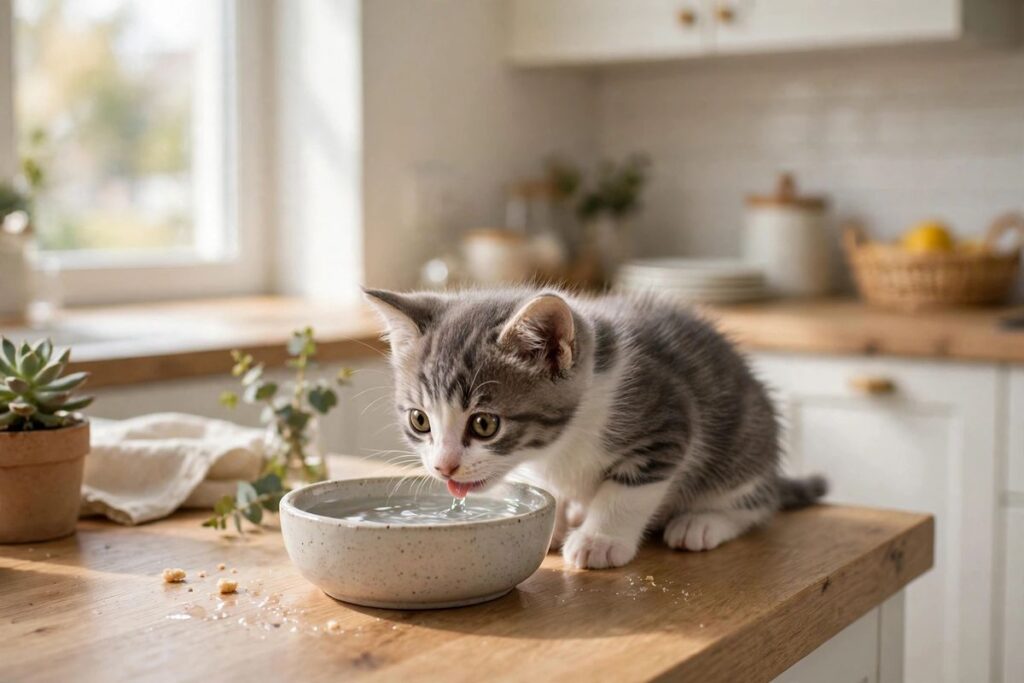
Follow the feeding guide on the bag or can for your kitten’s current weight and age, then adjust. Kittens usually eat 3–4 small meals a day until about 6 months old, then 2 meals a day. Keep fresh water available at all times. Kittens grow fast, so weigh your kitten regularly and adjust portions — overfeeding can lead to weight problems later. After meals, keep your kitten active and stimulated with the best kitten toys for indoor cats. For nutrients and food types, see Cornell’s guide to feeding your cat.

FAQ
When can my kitten switch to adult food?
Most kittens switch at 12 months. Large breeds such as Maine Coons may need kitten food for longer — ask your vet. For feeding and weaning advice, see the ASPCA’s cat nutrition tips.
Is grain-free kitten food better?
Not necessarily. Grain-free is only needed if your vet diagnoses a grain sensitivity. AAFCO-approved grain-inclusive foods are fine for most kittens.
Can kittens eat adult cat food?
It is not ideal. Adult food has fewer calories and less of the nutrients kittens need for growth. Use a kitten formula for the first year.
Should I feed my kitten wet food, dry food, or both?
Both work. Wet food adds hydration; dry food is convenient and helps keep teeth clean. A mix of both is a common choice.
Best Cat Food for Kittens: The Bottom Line
If you want one safe choice, start with Royal Canin Kitten. For a sensitive stomach, try Hill’s Science Diet Kitten; on a budget, Purina Cat Chow Kitten; for wet food, Blue Buffalo Baby BLUE; and for a reliable all-rounder, Iams Proactive Health Kitten. Whichever you choose, check for the AAFCO growth statement and switch foods gradually. Food is only one part of kitten care — for a fresh-smelling home, see our guide to the best cat litter for odor control. Our best cat food for kittens verdict: start with a vet-recommended formula and match it to your kitten’s age and size.
Disclaimer: This article is for general information only and does not replace professional veterinary advice. Always consult your veterinarian before making major changes to your kitten’s diet.