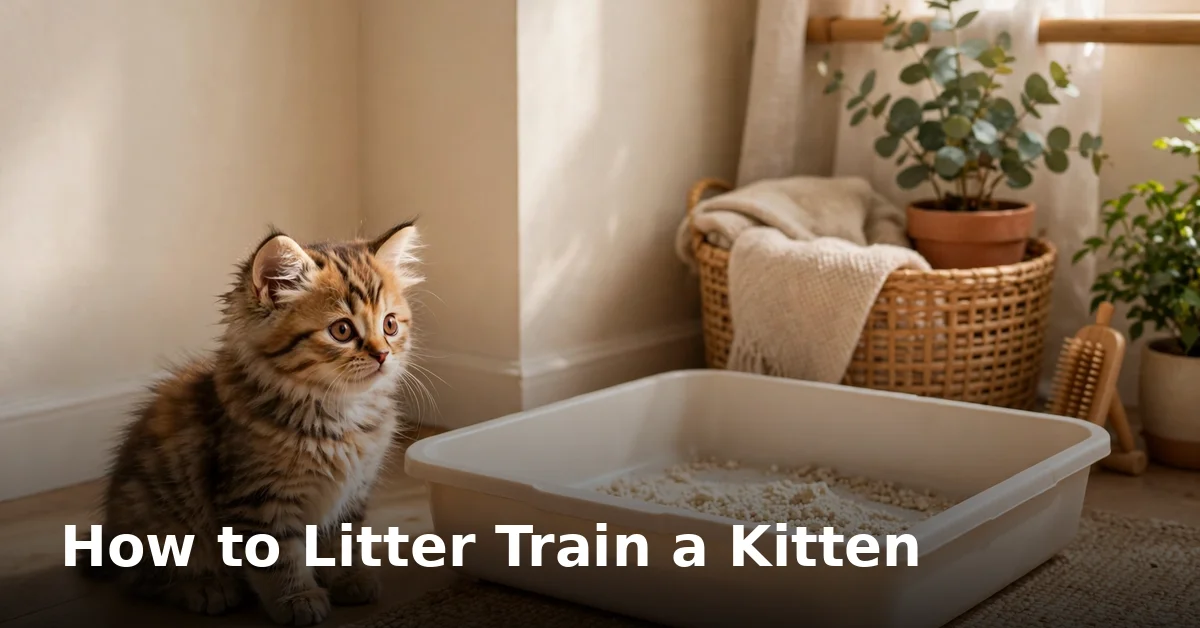
How to Litter Train a Kitten
Bringing a kitten home is exciting, and litter training is usually the first thing new owners worry about. The good news is that most kittens learn fast — often in a few days — because the instinct to bury their waste is already there. Your job is not to teach the instinct. It is to make the litter box easy to find, easy to use, and pleasant enough that your kitten chooses it every time.
This guide explains how to litter train a kitten step by step, from picking the right box and litter to handling the accidents that happen along the way. It works for kittens as young as four weeks old, for rescue kittens that have never seen a litter box, and for older kittens that need a fresh start in a new home.
Prices change, so check the current price before buying.
What You Need Before You Start
You do not need much, but having everything ready before your kitten arrives makes the first day far easier.
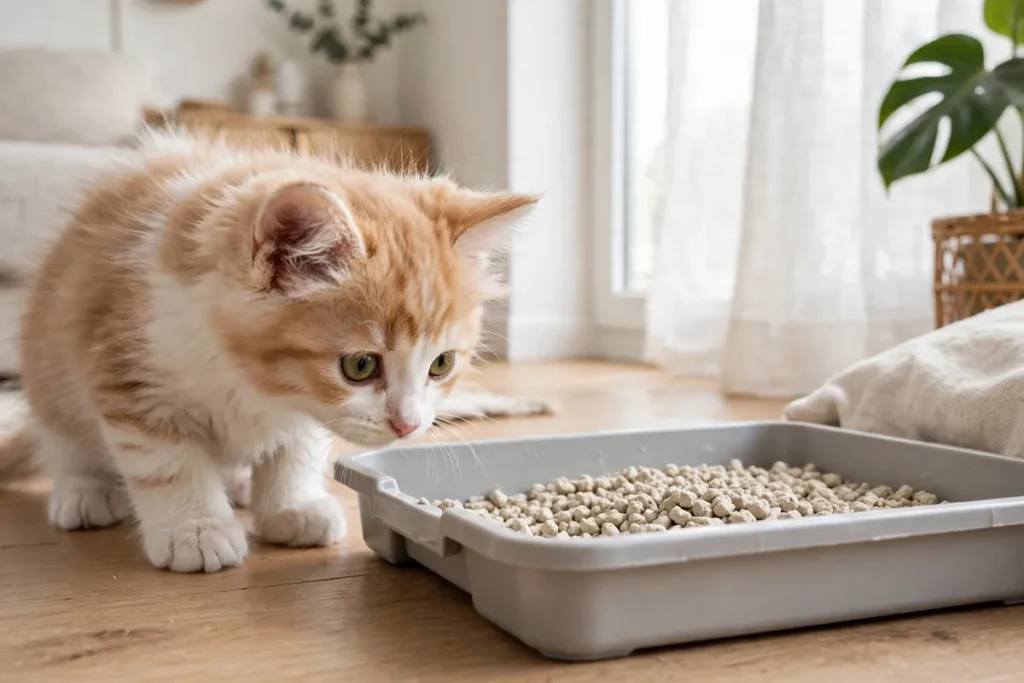
A litter box. Start with a low-sided, open tray. A kitten’s legs are short, and a tall box with high walls is a wall it cannot climb. A shallow tray — or a box with one low entry side — lets a small kitten walk in on its own. You can move to a bigger box with higher sides once your kitten grows.
Kitten-safe litter. Choose a plain, unscented, clumping or non-clumping litter made for kittens. Avoid clumping clay litter for very young kittens under eight weeks old, because kittens that age taste everything, and swallowed clumping litter can cause problems in the gut. Paper, wood, or corn-based litter is a safer first choice. Skip scented litter and litter with crystals for now — strong smells put many kittens off.
A scoop and a mat. A scoop makes daily cleaning quick, and a mat under the box catches the litter your kitten kicks out.
The right spot. Pick a quiet, low-traffic corner where your kitten can reach the box easily, away from its food and water. Cats do not like to eat next to their toilet, and neither would you.
One box per cat, plus one extra. This is the golden rule of litter boxes. One kitten needs two boxes, in different rooms if you can manage it. Two cats need three boxes. It sounds like a lot, but it prevents most litter box problems before they start.
How to Litter Train a Kitten, Step by Step
Step 1: Choose the Right Box
Size matters more than style. The box should be at least one and a half times as long as your kitten, so it can turn around inside without bumping the sides. For a young kitten, that is usually a small tray around 14 to 16 inches long. A box that is too big feels exposed; a box that is too small feels cramped.
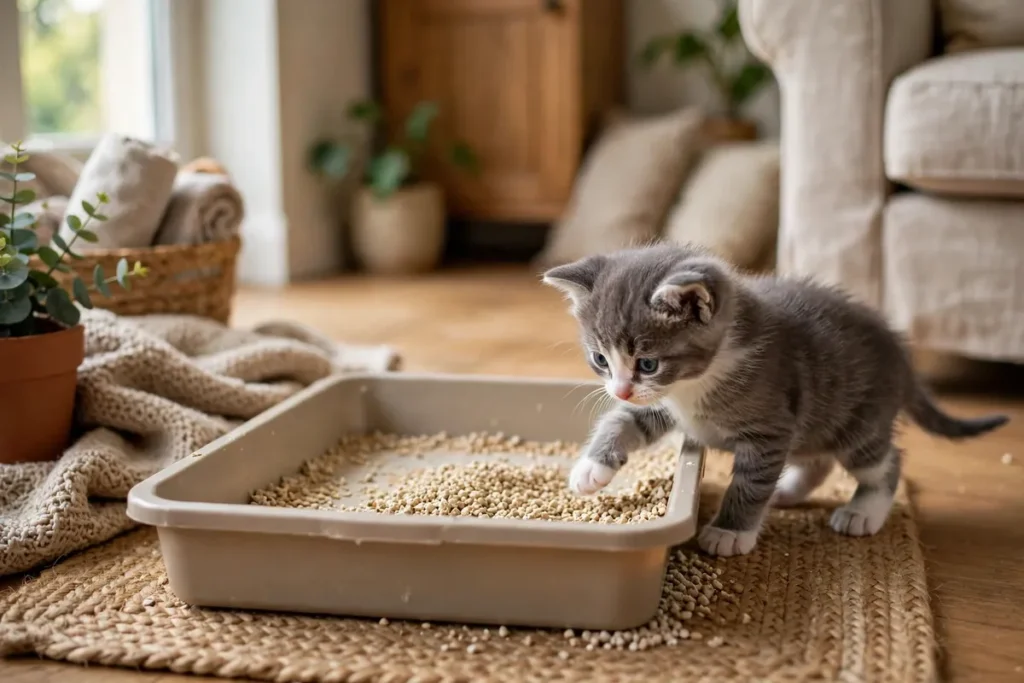
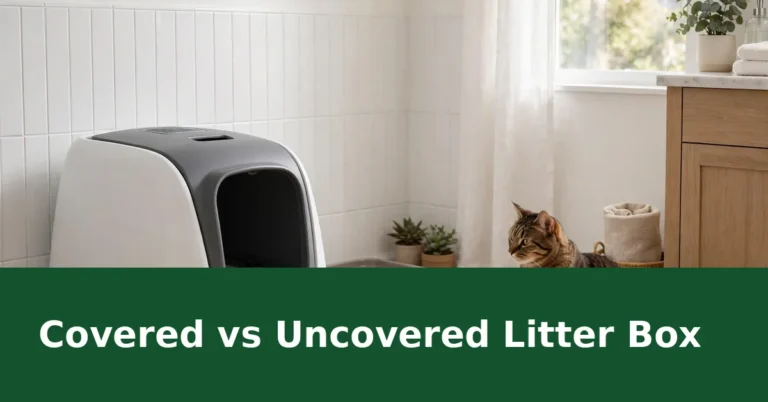
Start with an open tray, not a covered box. A hood adds a door your kitten has to push through and walls it cannot see over, and many kittens simply refuse to go in. You can try a covered box later, once your kitten is confident and the habit is set — and our comparison of covered vs uncovered litter box explains which type suits different cats. For now, open and low is best.
Put a thin layer of litter in the box, about two inches deep. Too little and there is nothing to dig in; too much and a small kitten sinks into it.
Step 2: Pick a Litter Your Kitten Likes
Kittens are picky about texture. Most prefer a fine, soft, sand-like litter that feels natural under their paws. Coarse pellets and large crystals feel strange to a kitten that has only ever known its mother’s nest, and some kittens will avoid them entirely.
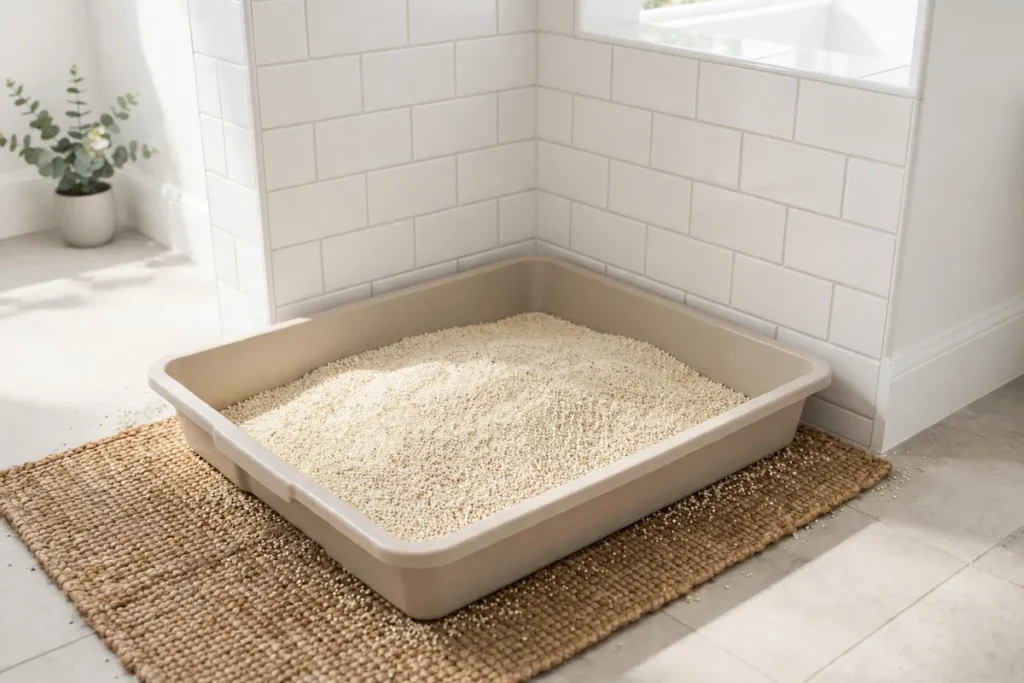
If you know what litter your kitten used at the shelter or breeder, start with the same one. A familiar smell and texture make the new box feel safe. You can switch to a different litter later, a little at a time, by mixing the new litter into the old.
Unscented litter is the safest bet. A kitten’s sense of smell is far stronger than yours, and a perfumed litter can smell overpowering from inside the box. If the box smells too strong, your kitten will find somewhere else to go — usually your bed or a quiet corner behind the sofa.
Our roundup of the best cat litter for kittens covers safe litter types for young cats in more detail.
Step 3: Put the Box in the Right Spot
Location is half of litter training. The box should be easy to find, easy to reach, and private enough that your kitten feels safe using it.
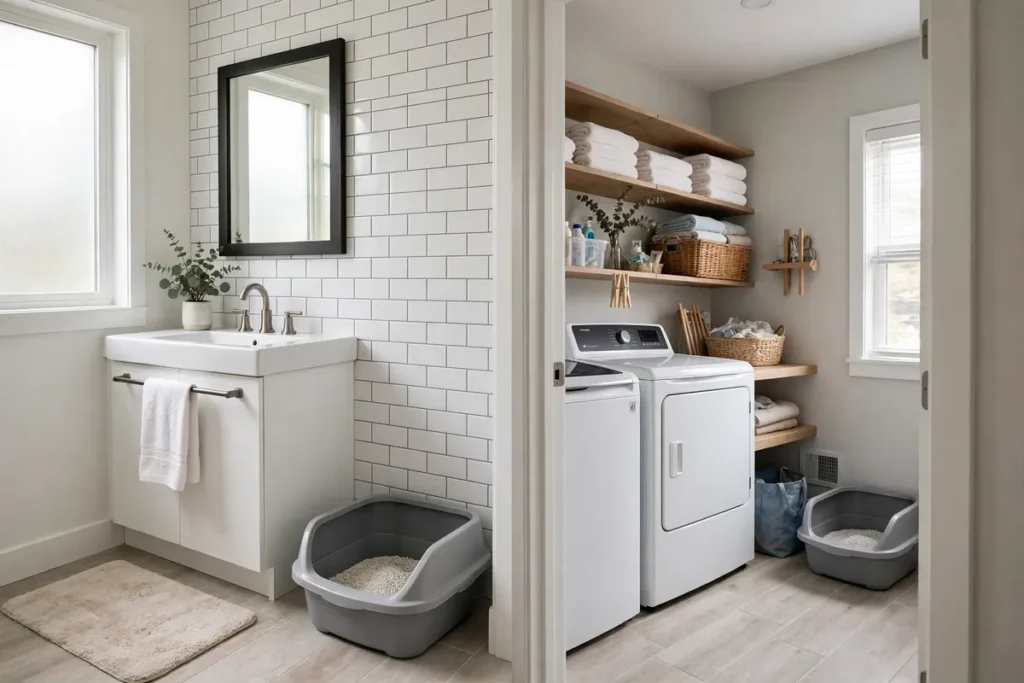
Good spots include a quiet corner of the laundry room, a spare bathroom, or a corner of the room where your kitten sleeps. Bad spots include next to a washing machine that rumbles, beside a door that slams, or right next to the food bowl.
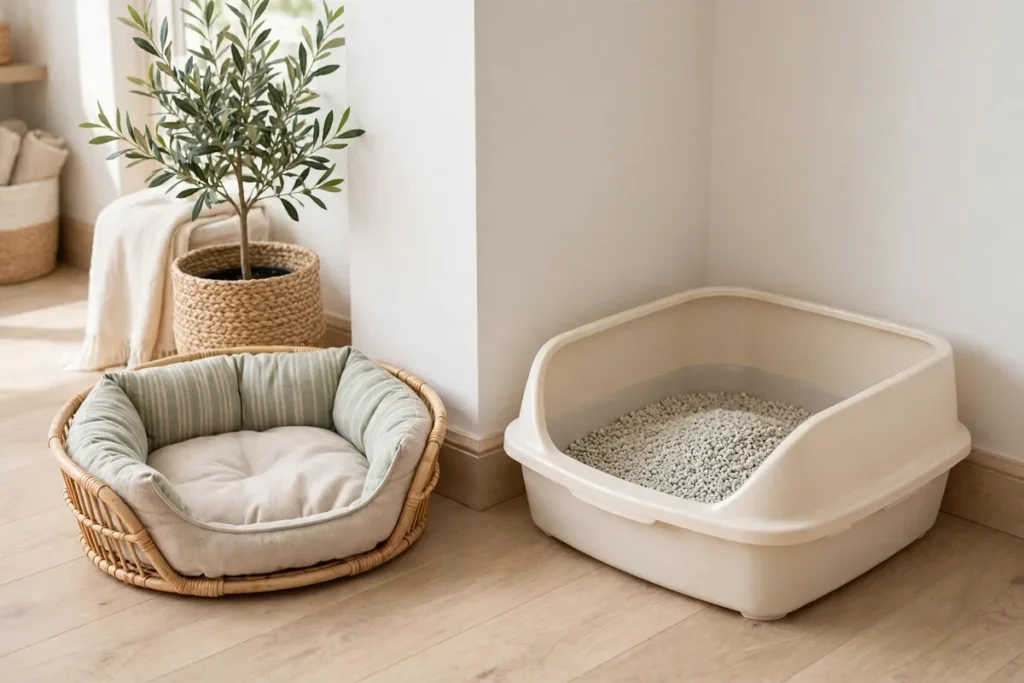
If your home has more than one floor, put a box on each floor. A kitten that has to run downstairs to find the box will not make it in time, and every accident teaches it that the floor is an option.
Keep the box in the same place. Moving it around confuses a kitten that is still learning where to go. Once the habit is solid — after a few weeks of reliable use — you can move it a few feet at a time if you need to.
Step 4: Show Your Kitten the Box
When your kitten first arrives, put it gently in the litter box and let it sniff around. Do not hold it there or push its paws into the litter. Just let it explore for a minute, then let it walk out on its own. That first visit plants the idea.
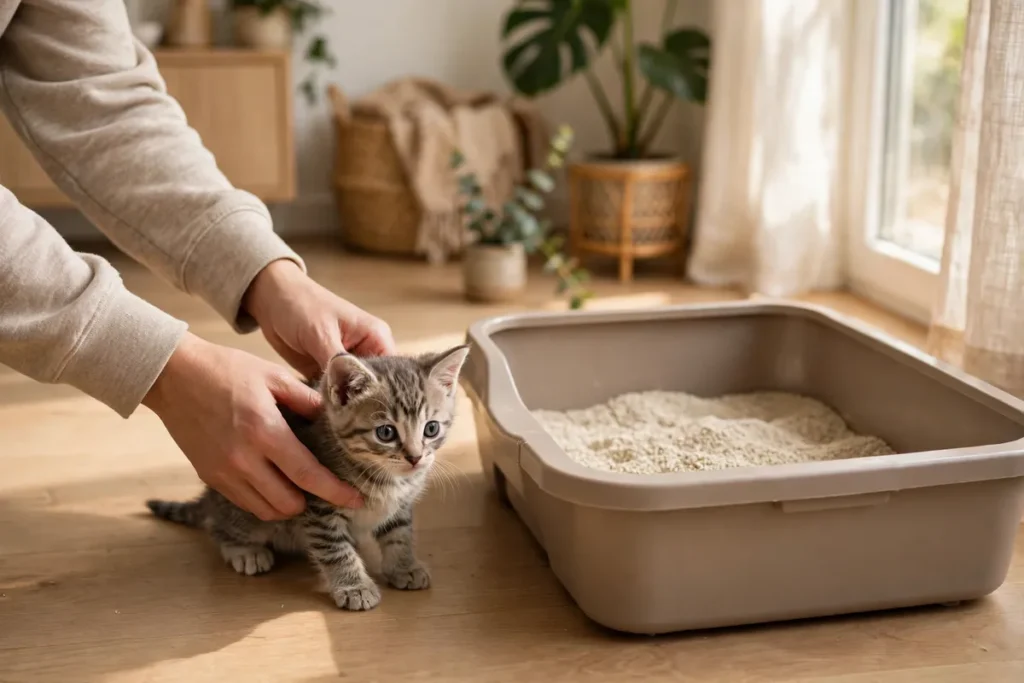
Then take your kitten to the box at the right times. Kittens almost always need to go after waking up, after eating, and after a play session. That timing is the heart of how to litter train a kitten: catch the moment, and the box becomes the obvious choice. Watch for the signs: sniffing the floor, circling, crouching, or suddenly leaving a game to wander off. When you see those signs, pick your kitten up calmly and set it in the box.
Stay nearby and wait quietly. Most kittens will dig a little, go, and then try to cover it up — the instinct does the rest. If your kitten climbs out without going, that is fine. Try again in ten or fifteen minutes.
The first few days, take your kitten to the box every couple of hours during the day, and always after meals and naps. It feels like a lot of trips, but each one is a lesson, and the lessons add up fast.
Step 5: Reward, Never Punish
When your kitten uses the box, praise it right away in a warm, happy voice, and offer a small treat or a quick play session. Kittens learn from good things happening, and a treat after using the box tells your kitten that the box is the right choice.
Never punish a kitten for an accident. Do not shout, do not rub its nose in the mess, and do not carry it to the box after the fact. A kitten cannot connect a punishment with something it did minutes ago — it only learns that you are scary, and a scared kitten hides to go to the toilet, which makes the problem worse.
Accidents are information, not bad behavior. If your kitten misses the box, ask what went wrong: was the box dirty, too far away, or in a noisy spot? Fix the setup, and the accidents usually stop on their own.
Step 6: Keep the Box Clean
A dirty box is the most common reason a kitten stops using it. Cats are clean animals, and a kitten will not step into a box full of yesterday’s waste if it has a cleaner option — like your laundry pile.
Scoop the box at least once a day, twice if you can. Change the litter fully once a week, and wash the box with warm water and mild soap when you do. Skip strong cleaners and bleach, which leave smells a kitten dislikes.
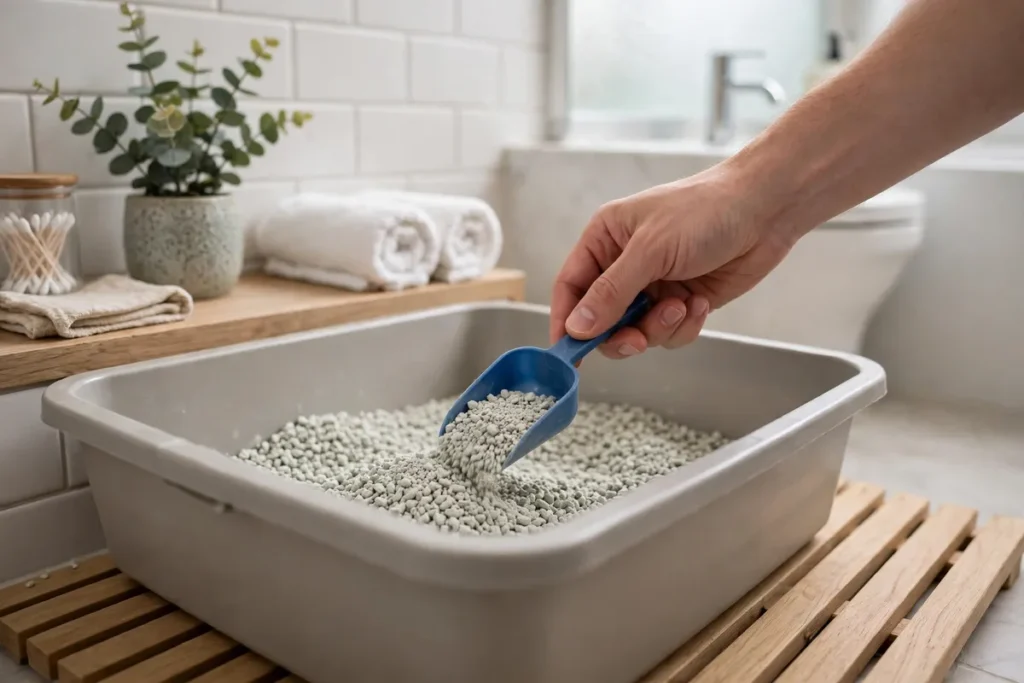
Keep an eye on what you find in the box, too. The ASPCA’s guide to litter box problems explains that changes in how often a kitten goes, or straining and crying in the box, can be early signs of a health problem — and that a clean, well-placed box is the first fix vets suggest for most litter issues.
Step 7: Add Boxes and Space as Your Kitten Grows
A kitten grows fast, and the setup that works at eight weeks will not work at six months. Move to a larger box when your kitten can no longer turn around comfortably, and add the second box in a different room if you have not already.
If you have other cats, the rule still applies: one box per cat, plus one extra, in different spots. A kitten that has to share one box with an older cat may be blocked from using it — and a blocked kitten goes elsewhere. Spread the boxes out so no cat can guard them all. In a busy multi-cat home, our roundup of the best cat litter for multiple cats covers litter that copes with heavy use.
As your kitten gets bolder, you can try different litter types and, if you want, a covered box. Change one thing at a time, and keep the old setup available for a week so your kitten can choose. If it keeps using the old box, that is your answer.
What If Your Kitten Won’t Use the Box?
Most kittens take to the box within a few days, but some need more help. If you are still figuring out how to litter train a kitten that refuses the box, work through the usual causes one at a time.
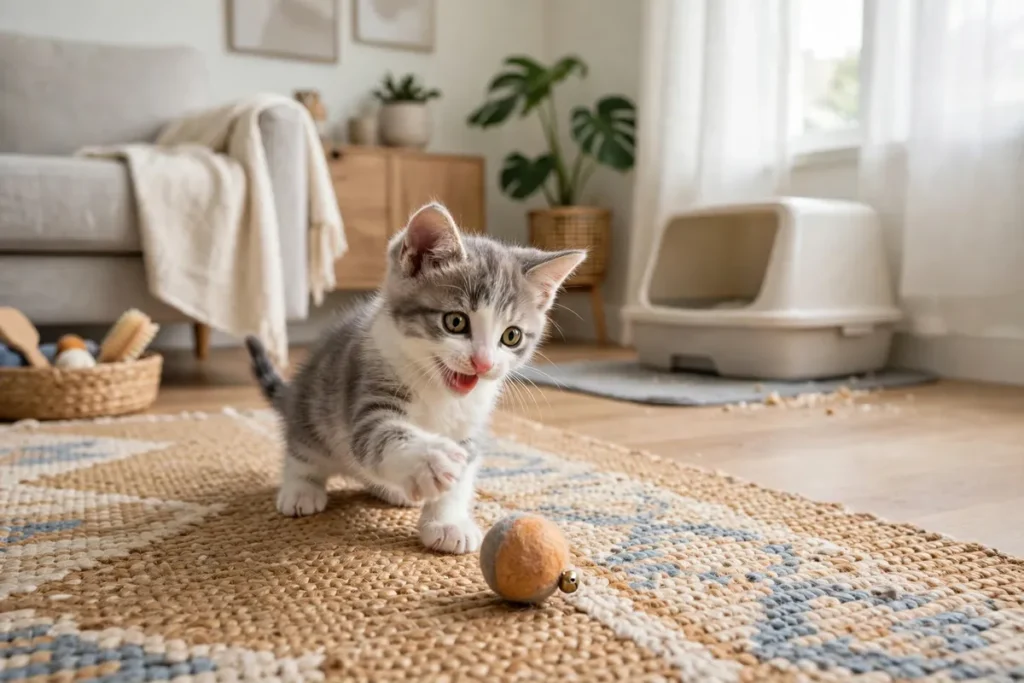
The box is too hard to reach. A tall box, a box behind a closed door, or a box down two flights of stairs is a box your kitten cannot use. Lower the sides, leave the door open, or add a box closer to where your kitten sleeps.
The litter is wrong. Try a different texture. If you started with pellets, try a fine, sandy litter. If you started with scented litter, switch to unscented. Change the litter completely — do not just add a new type on top of the old one — and give your kitten a few days to decide.
The spot is wrong. Move the box to a quieter corner, away from loud appliances and busy doorways. If your kitten keeps going in one particular spot, put a box there. You can move it a few feet a day later, once the habit is set.
Your kitten is stressed. A new home is a big change, and a stressed kitten may hide and go where it hides. Give it a small, safe room of its own for the first few days — with the box, food, water, and a bed all in that one room — and let it explore the rest of the house gradually.
There is a medical problem. A kitten that strains, cries, goes very often, or has blood in its urine needs a vet, not a new litter box. Urinary problems are common in cats and can become serious quickly, so do not wait to see if it sorts itself out. The RSPCA’s cat care advice covers the basics of kitten health and when to seek veterinary help.
Accidents Happen — How to Handle Them
Even a well-trained kitten has accidents, especially in the first weeks. Clean them up properly and move on.
Blot up what you can, then clean the spot with an enzymatic cleaner made for pet messes. Ordinary cleaners and vinegar mask the smell for you, but a cat can still smell the old spot — and a spot that smells like a toilet becomes a toilet. An enzymatic cleaner breaks down the smell properly.
Do not use ammonia-based cleaners. Ammonia smells like urine to a cat, and cleaning a spot with it can actually attract your kitten back to the same place.
If the same spot gets used twice, block it off or put a box there for a while. A chair moved in front of a corner, or a box of books over a favourite spot, breaks the habit. Once your kitten has used the box reliably for a week or two, you can open the spot up again.
Watch for patterns. Accidents near the box usually mean the box is dirty or the litter is wrong. Accidents far from the box usually mean your kitten could not find it or reach it in time. Accidents on soft things — beds, laundry, rugs — often mean the kitten wants a softer surface, so try a finer litter.
When to Call the Vet
Litter training is a behavior job, but some problems are medical. Call your vet if your kitten:
- Strains to go, cries in the box, or goes in and out without producing anything.
- Goes much more often than usual, or has blood in its urine or stool.
- Suddenly stops using a box it used happily for weeks.
- Has diarrhea that lasts more than a day, or seems lethargic and off its food.
Kittens dehydrate quickly, and a urinary blockage — rare in kittens but possible — is an emergency. When in doubt, call. A vet would rather see a healthy kitten than treat a sick one a day too late.
How Long Does Litter Training Take?
Most kittens get the idea within a few days and are reliable within two to three weeks. Kittens that grew up with their mother usually learn fastest, because they watched her use a litter box. Orphaned kittens and very young kittens may take a little longer, and that is normal. Anyone asking how to litter train a kitten should know the timeline is measured in days and weeks, not hours — the routine matters more than any single trick.
Do not rush it. Keep the routine steady — same box, same litter, same spot, regular trips after meals and naps — and let the habit build. A kitten that is reliable for a week can still have the odd accident, especially after a big change like a house move or a new pet. That is not a failure. It is a kitten being a kitten.
By six months old, most kittens are fully litter trained, using the box without thinking about it. At that point, your job is just to keep the box clean and the litter topped up.
Frequently Asked Questions
At what age can a kitten start litter training?
Kittens can start as young as four weeks old, once they are eating solid food and moving around on their own. Most kittens are ready between four and eight weeks. A kitten younger than four weeks still needs its mother or a carer to help it go to the toilet.
What is the best litter for a kitten?
A plain, unscented, fine-grained litter is the safest first choice. For kittens under eight weeks, use a non-clumping litter — paper, wood, or corn-based — because young kittens taste everything and swallowed clumping litter can cause gut problems. Our roundup of the best cat litter for kittens compares kitten-safe options.
Why does my kitten sleep in the litter box?
A kitten that sleeps in its litter box is usually looking for a safe, enclosed spot — often because it feels unsure in a new home. Give it a proper bed or a covered hideout nearby, keep the box clean, and the habit usually stops on its own. If it continues for more than a week, check that your kitten has a quiet place to rest.
The Bottom Line
Learning how to litter train a kitten comes down to three things: the right box, the right litter, and the right spot — plus patience. Pick a low, open tray, fill it with plain unscented litter, put it somewhere quiet and easy to reach, and take your kitten there after every meal, nap, and play session. Praise the wins, ignore the misses, and keep the box clean. Most kittens figure it out in days, and with a steady routine they stay reliable for life. And if your kitten keeps missing the box, work through the setup first — box, litter, spot, stress — before assuming it is a behavior problem. More often than not, the fix is a cleaner box or a quieter corner.