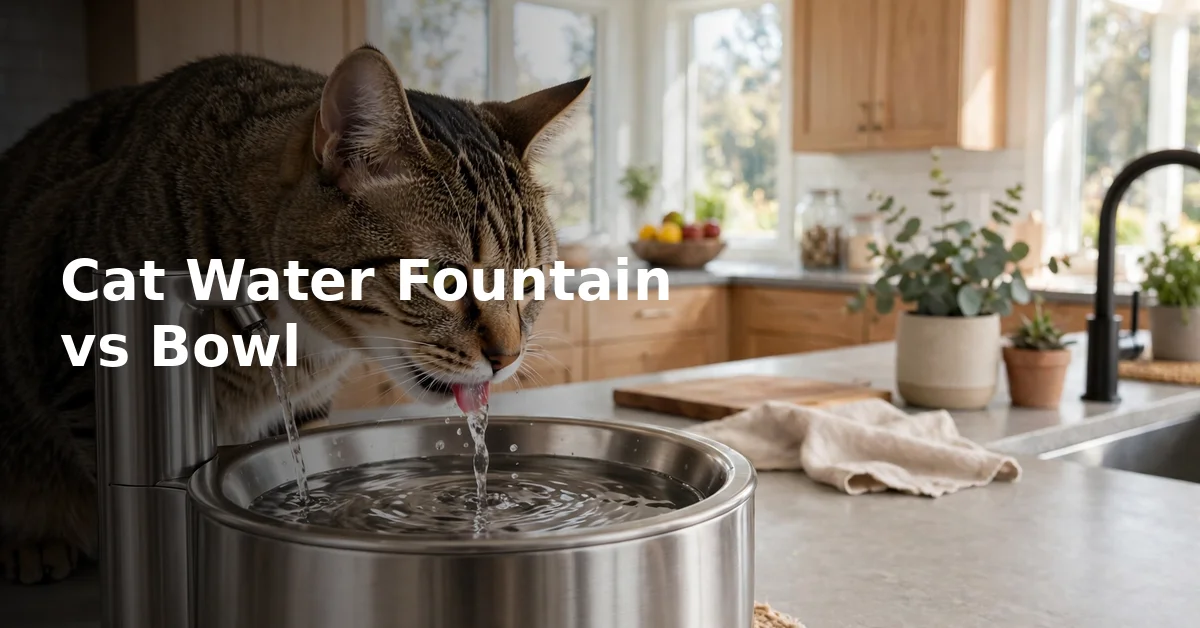
Cat Water Fountain vs Bowl: Which Gets Cats Drinking More?
Most cats do not drink enough water. In the wild, cats get most of their moisture from prey, so they never developed a strong thirst drive — and a cat that eats mostly dry food can quietly run short on water for years, raising the risk of urinary problems, kidney strain, and constipation. The cat water fountain vs bowl question is really about how to get your cat to drink more, and the answer is not the same for every cat.
A fountain keeps water moving, filtered, and oxygenated. A bowl is simple, silent, and cheap. This guide compares them on hydration, hygiene, noise, cost, and everyday practicality, so you can pick the setup your cat will actually use.
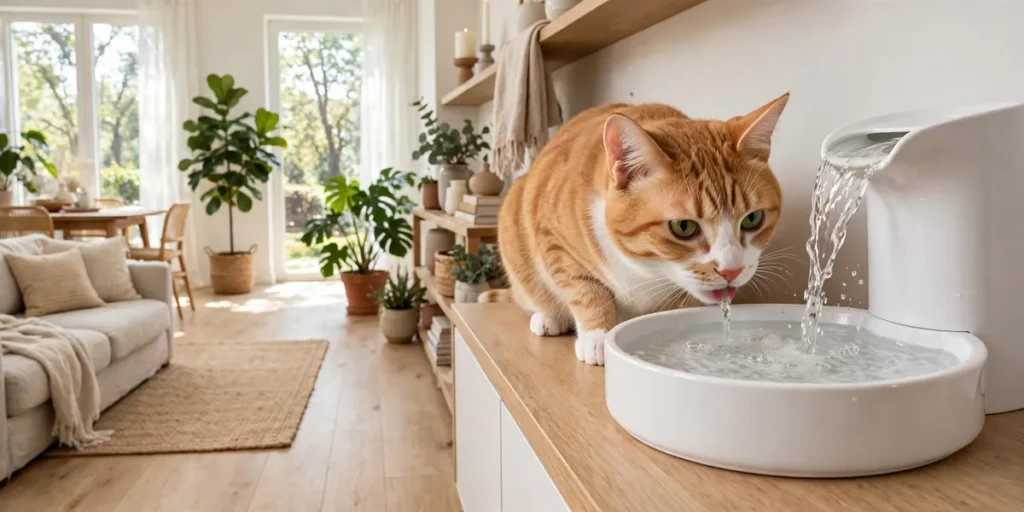
Cat Water Fountain vs Bowl at a Glance
| Feature | Water Fountain | Water Bowl |
|---|---|---|
| Encourages drinking | Yes, moving water attracts most cats | Depends on the cat, many drink less |
| Water freshness | Filtered and circulating, stays fresh longer | Stagnant, needs changing once or twice a day |
| Hygiene | Filter traps hair and debris, but parts need scrubbing | Easy to wash daily, no hidden parts |
| Noise | Quiet hum from the pump, some models nearly silent | Completely silent |
| Power | Needs an outlet or USB power | No power needed |
| Cost over time | Higher upfront, plus replacement filters | Very cheap, almost nothing to replace |
| Best for | Cats that ignore still water, multi-cat homes | Shy cats, kittens, power-cut-prone homes |
| Cleaning effort | Weekly deep clean of pump and parts | Daily rinse, quick and simple |
| Risk if it breaks | Pump can fail and leave no water | Nothing to break |
| Portability | Stays in one spot near a socket | Goes anywhere, easy to move |
| Whisker comfort | Wide, shallow basins suit whiskers best | Wide, shallow bowls suit whiskers best |
| Best for urinary health | Helps cats that drink more from moving water | Works fine if the cat drinks enough |
What Is a Cat Water Fountain?
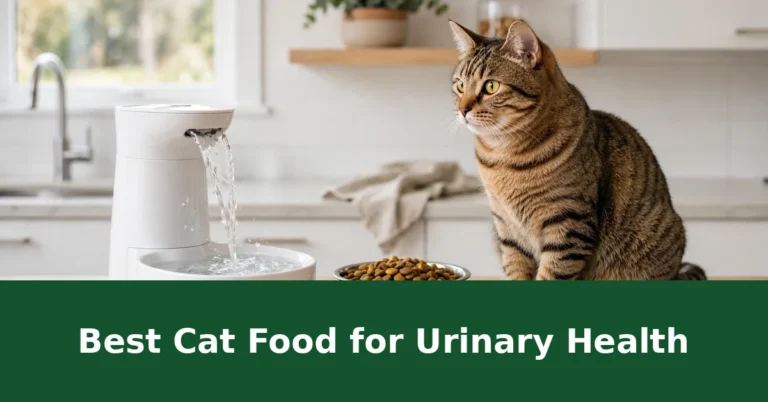
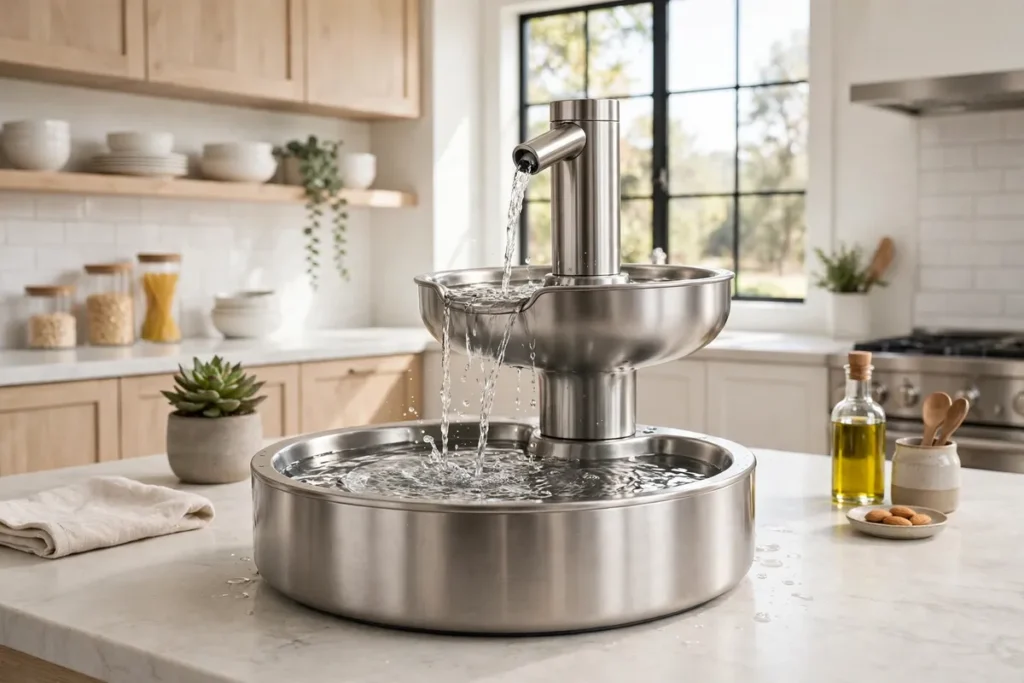
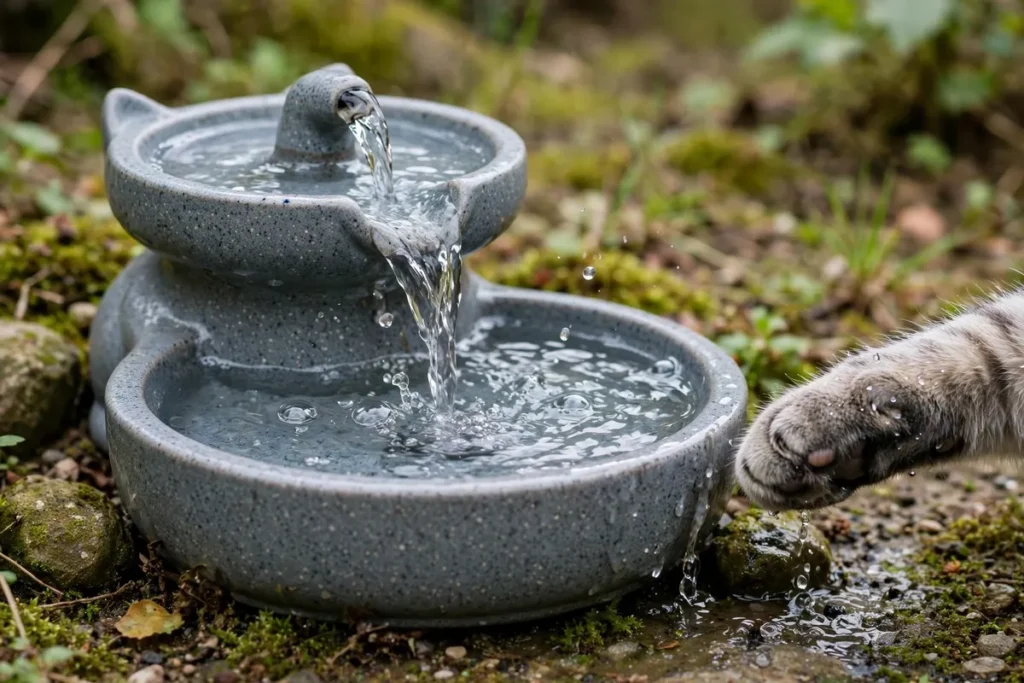
A cat water fountain is a small electric pump that circulates water through a filter and back into a basin, so the water is always moving. Most models have a charcoal filter that catches hair, dust, and food bits, and a spout or stream cats can drink from directly.
Fountains come in plastic, ceramic, and stainless steel. Stainless steel and ceramic are the easiest to keep clean and the least likely to cause chin acne, a common problem with scratched plastic. Most hold between 1.5 and 3 litres, which suits one or two cats for a day or two.
The pump is the heart of the fountain. It needs power — usually a wall socket or a USB plug — and it needs cleaning. A pump clogged with hair or limescale gets loud, then stops working. A weekly rinse and a monthly deep clean keep it running.
What Is a Water Bowl?
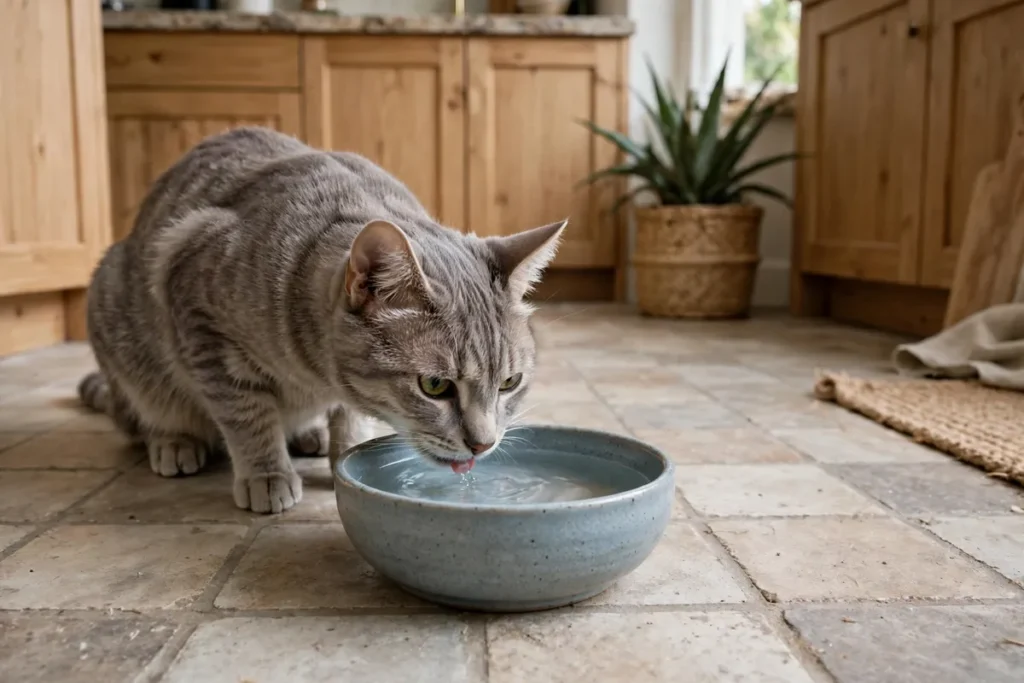
A water bowl is a dish of still water. Ceramic, stainless steel, and glass are the best choices — they do not scratch the way plastic does, and scratches harbour bacteria. A wide, shallow bowl is best, because a deep, narrow bowl presses on a cat’s whiskers, and many cats hate that.
A bowl needs fresh water once or twice a day. Still water collects dust, hair, and food crumbs fast, and a cat that finds a dirty bowl will often just walk away and drink less. The bowl itself is nearly free, lasts for years, and works in a power cut.
Which Gets Cats Drinking More?
This is the heart of the cat water fountain vs bowl debate, and the honest answer is: a fountain, for most cats — but not for all of them.
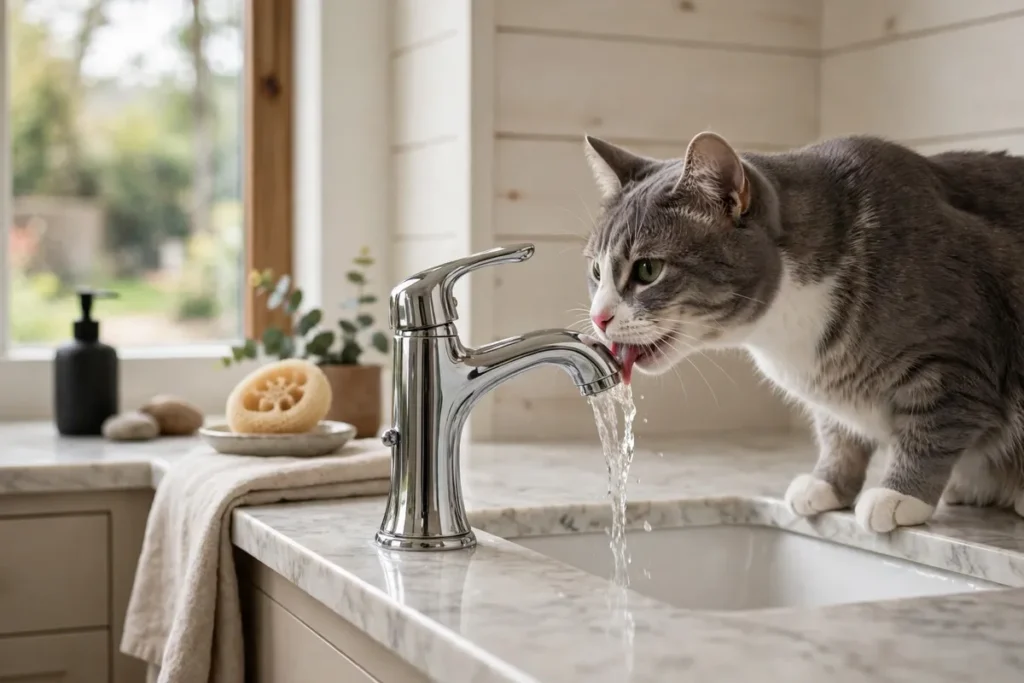
Cats are drawn to moving water. In the wild, running water is usually safer than a stagnant pool, and that instinct survives in the house cat. Many owners report that a cat who ignored its bowl for years starts drinking the day a fountain arrives. The sound and the movement catch the cat’s attention, and the fresh, oxygenated water tastes better than water that has sat still all day.
But some cats do not care, and a few actively dislike fountains. A nervous cat may be put off by the pump’s hum, the moving stream, or the new object in its territory. A cat that has drunk from a bowl happily for ten years may not change its habits at all. And a kitten can be startled by a strong stream.
The practical test is simple: put a fountain next to the existing bowl and watch for a week. If the fountain’s water level drops faster, your cat has voted. What matters is the total water your cat drinks, not the device it drinks from.
Hydration and Urinary Health
Drinking more water matters most for cats prone to urinary problems. A cat that pees more often flushes crystals out of its bladder before they can grow into stones, and dilute urine is far less likely to form crystals in the first place. This is why vets push water so hard for cats with a history of urinary trouble.
If your cat has had crystals, stones, or a blockage, getting it to drink is part of the treatment. A fountain can help here, and so can wet food, which is about 70 percent water. Cornell’s guide to feline lower urinary tract disease explains why urinary problems happen and why hydration is the first line of defence.
But a fountain is not a cure. If your cat is straining to pee, crying in the litter box, passing blood, or not peeing at all, that is an emergency — see a vet now.
Hygiene and Cleaning: The Real Difference
A fountain looks cleaner than a bowl, because the water is moving and the filter catches debris. The reality is more mixed. The filter hides the dirt, but the pump, the tubes, and the corners of the basin collect slime — a biofilm of bacteria — that you cannot see until you take the fountain apart.
A fountain needs a proper clean at least once a week: take it apart, scrub the basin, rinse the filter housing, and clean the pump impeller with a small brush. Skip that, and the fountain becomes dirtier than a bowl ever was.
A bowl is far simpler. Rinse it and refill it daily, give it a proper wash with soap every few days, and it stays clean. There are no hidden parts and nothing to take apart. For an owner who will not do a weekly deep clean, a bowl is honestly the more hygienic choice.
Noise, Power, and Everyday Practicality
A good fountain is quiet — a soft hum you stop noticing after a day. A cheap one buzzes or gurgles when the water level drops, and that noise can put a cat off drinking entirely. Keep the water topped up so the pump never runs dry.
A fountain also needs power: a socket nearby, a cable your cat cannot chew, and a plan for power cuts. If your home loses power often, or the only good spot for water is far from a socket, a bowl is the safer choice. A bowl goes anywhere, and many vets recommend putting water in several rooms, away from the food bowl and the litter box, because cats prefer to drink away from where they eat.
Cost: What You Pay Over Time
A bowl costs almost nothing — a few dollars for a good ceramic or stainless steel one, and it lasts for years. There is nothing to replace.
A fountain costs more upfront, and it keeps costing. Replacement filters run out every few weeks, and the pump itself wears out after a year or two — over five years, easily ten times what a bowl costs. That is worth paying if your cat drinks more from it, and wasted money if your cat ignores it. If you are unsure, borrow one or buy a cheap model first.
Prices change, so check the current price before buying.
Which Cats Benefit Most From a Fountain?
A fountain is worth trying if: your cat ignores its bowl, only drinks from taps, eats mostly dry food, has had urinary problems, or shares one water source with several cats. The ASPCA’s guide to common cat diseases explains the warning signs of urinary problems and other common cat illnesses — worth reading if your cat has ever had trouble peeing.
A bowl is the better pick if: your cat drinks happily from a bowl already, your cat is nervous or elderly and dislikes new objects, you cannot commit to a weekly deep clean, or your home has frequent power cuts. A bowl that is cleaned daily and refilled twice a day is a perfectly good water source.
Use both if: you want the best of both worlds. Many owners keep a fountain in the kitchen and bowls in other rooms. The cat drinks where it likes, and if the fountain pump fails, the bowls are still there.
For more help, our roundup of the best stainless steel cat water fountains covers fountains that are easy to clean and built to last, our guide to the best cat food for urinary health explains how diet and water work together for bladder health, and our roundup of the best cat calming products covers products that take the edge off a stressed cat — stress is a big trigger for drinking less and for urinary flare-ups.
How to Get Any Cat Drinking More
Whichever you choose, a few simple habits help a cat drink more. Put water bowls in several rooms, away from the food bowl and the litter box. Cats prefer to drink away from where they eat, and a bowl next to the litter box is a bowl most cats will avoid.
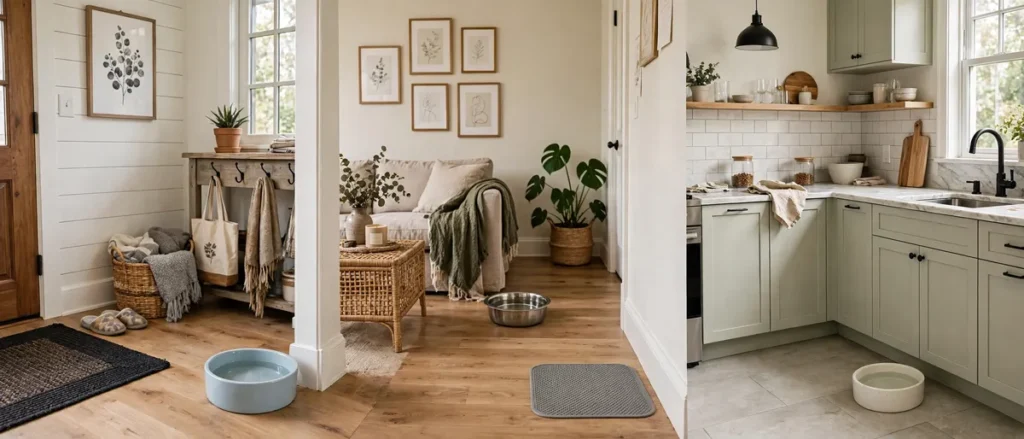
Use wide, shallow bowls or a fountain with a wide basin, so whiskers do not touch the sides. Refill with fresh water at least once a day, and wash the bowl properly every few days.
Add wet food to the diet, even a little each day — the water in it goes straight to the bladder, and for a cat that will not drink, it is the easiest way to add moisture.
Frequently Asked Questions
Do cats really prefer fountains?
Most do, but not all. Moving water attracts most cats, and many drink noticeably more from a fountain than from a bowl. But a nervous cat, an elderly cat, or a cat that has always drunk from a bowl may ignore a fountain entirely. Test one for a week before deciding.
How often should I clean a cat water fountain?
At least once a week: take it apart, scrub the basin and the pump, and rinse the filter housing. Change the filter on the maker’s schedule, usually every two to four weeks. A fountain that is not cleaned regularly becomes dirtier than a bowl.
Can I leave a cat with just a fountain?
No — always keep a bowl as backup. Pumps fail, filters clog, and power cuts happen. A cat left with a dry fountain and no bowl has no water at all, and a blocked cat is an emergency.
The Bottom Line
Cat water fountain vs bowl comes down to one question: which one gets your cat drinking more? For most cats, a fountain wins — moving, filtered water is more attractive, and a cat that drinks more has a healthier bladder. But a fountain only works if you clean it every week and your cat is not scared of it. A bowl is cheaper, simpler, and perfectly good if your cat drinks from it happily. For most homes, the safest answer is both: a fountain in the kitchen and bowls in other rooms, so your cat always has fresh water — and you always have a backup.