Best Bird Food for Parakeets (2026): 5 Picks Your Budgie Will Love
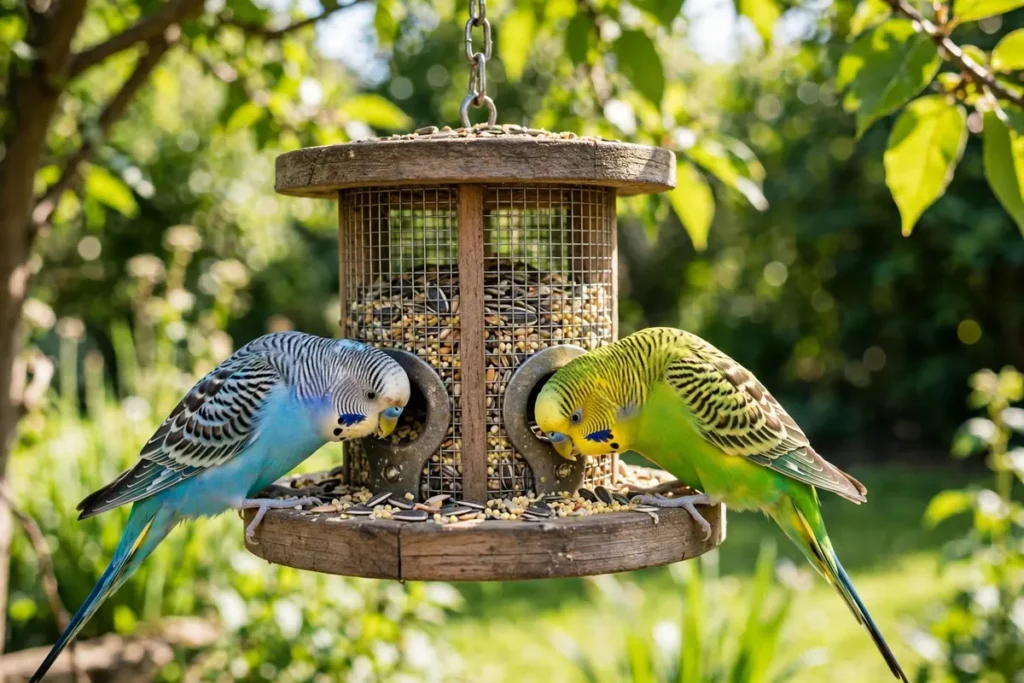
Parakeets — also called budgies — are small birds with big appetites and very specific nutritional needs. A seed-only diet might keep a budgie alive, but it will not keep one healthy. The best bird food for parakeets combines quality seed, fortified pellets, and a good mix of grains, so your bird gets balanced nutrition in every bite. Avian veterinarians generally recommend pellets as the largest share of the diet, as explained in PetMD’s parakeet care sheet, with seed and fresh vegetables alongside — so this list mixes seed blends, pellets, and a blend of the two, whatever your bird prefers.
In This Article
Prices change — check the current price before buying.
1. Kaytee Forti-Diet Pro Health Parakeet Food — Best Overall
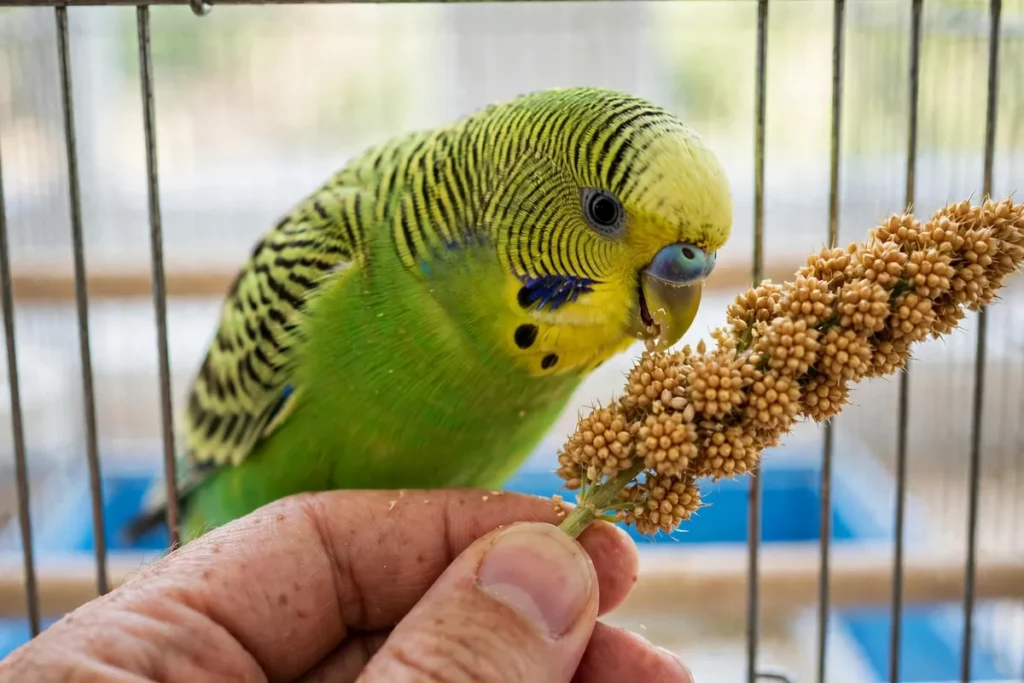
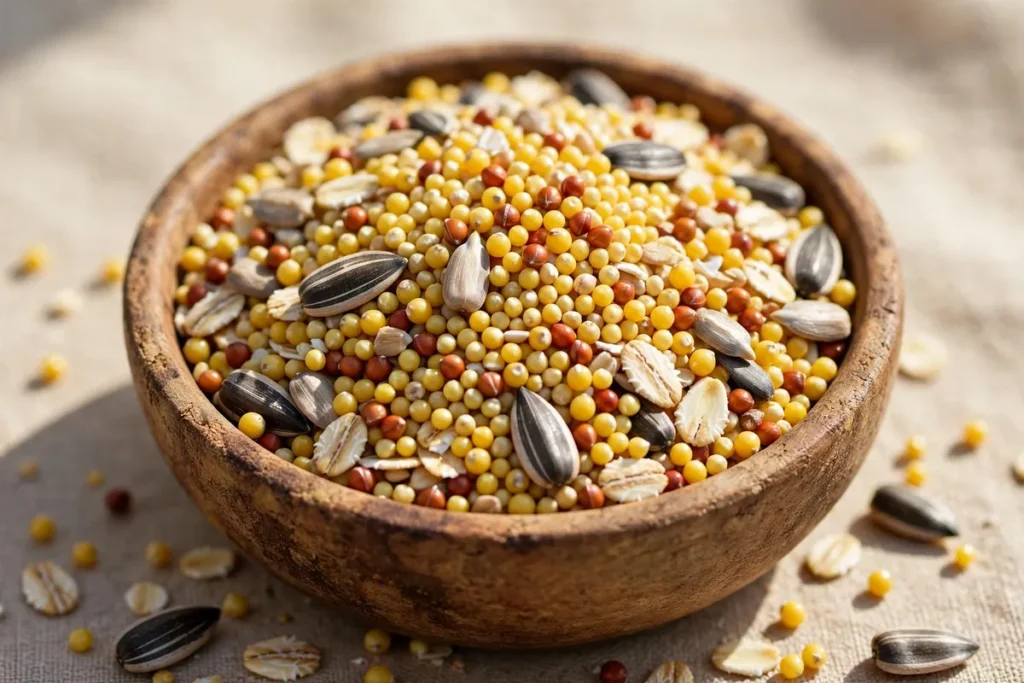
Kaytee Forti-Diet Pro Health is the most widely bought parakeet food on the market, and for good reason. It is a fortified seed mix built around the seeds budgies actually eat — white millet, canary grass seed, oat groats, and red millet — with added vitamins, minerals, probiotics, and DHA omega-3. Because it is a seed mix, most budgies accept it straight away, which makes it a reliable daily food for birds that refuse pellets.
Best for: Most parakeets — the safest everyday choice, especially for new owners.
Watch out for: It is still seed-based, so it should not be the only food your bird ever eats. Offer fresh vegetables alongside it and keep working on pellets.
2. ZuPreem Smart Selects Parakeet Food — Best for Switching to Pellets
If your budgie eats seed and ignores pellets, ZuPreem Smart Selects is designed for exactly that problem. It blends seeds your bird already likes with small, parakeet-sized pellets made from ground corn, soybean meal, ground millet, and ground oat groats, with added vitamins and minerals and no artificial colors. Over time, many birds start eating the pellets on their own — the whole point of a transition food.
Best for: Seed-addicted budgies and owners trying to move their bird toward a pellet-based diet.
Watch out for: Some clever budgies pick out the seeds and leave every pellet behind — try offering pellets in a separate dish in the morning, when your bird is hungriest.
3. Harrison’s Adult Lifetime Super Fine — Best Pellets
Harrison’s is the brand many avian veterinarians recommend first, and Adult Lifetime Super Fine is made for small birds like budgies, parakeets, canaries, and finches. It is certified organic, with no artificial colors, flavors, or preservatives. Unlike seed mixes, these pellets are a complete food — every bite contains the same balanced nutrition, so there is no cherry-picking — and the super fine size suits small beaks.
Best for: Owners who want the highest-quality pellet diet and are willing to pay more for certified organic ingredients.
Watch out for: It costs more than seed mixes, and some budgies refuse it at first. Introduce it slowly alongside a food your bird already eats.
4. ZuPreem FruitBlend Flavor Pellets — Best for Picky Eaters
ZuPreem FruitBlend is the pellet for budgies that turn their beaks up at plain pellets. The small pellets come in fruit flavors and colors — banana, apple, orange, and grape — which make them more appealing to fussy birds. The formula is nutritionally complete, with added vitamins and minerals, and the small-bird size is made for parakeets, budgies, and parrotlets. The taste and color get seed-eating birds interested in trying something new.
Best for: Picky budgies that refuse plain pellets, and as a step toward a full pellet diet.
Watch out for: The pellets contain sugar and artificial colors, which some owners prefer to avoid. ZuPreem also makes a Natural version without the fruit flavors and colors.
5. Dr. Harvey’s Our Best Parakeet Food — Best Natural Blend
Dr. Harvey’s Our Best Parakeet Food is a premium seed blend made from whole seeds, nuts, fruits, and vegetables, with no artificial colors, preservatives, or fillers. It includes white millet, canary grass seed, oat groats, and flaxseed, plus dried fruits and vegetables for variety. It is a whole-food approach rather than a fortified mix, and many owners use it as a daily seed food alongside pellets, or as a treat mix for foraging.
Best for: Owners who want a natural, whole-ingredient seed blend with no artificial additives.
Watch out for: It is a seed blend, not a complete diet on its own. Pair it with pellets and fresh vegetables, and watch portions — seeds are energy-dense, and budgies can gain weight on an all-seed diet.
Buying Guide: How to Choose the Best Bird Food for Parakeets
Aim for pellets as the base. Avian veterinarians recommend pellets as the largest part of a budgie’s diet — roughly 60 to 80 percent — with fresh vegetables making up most of the rest and seed as a smaller share, since seed mixes let birds cherry-pick their favorites and miss nutrients.
Check the seed mix quality. A good parakeet seed mix is built on white millet, canary grass seed, and oat groats, with little or no sunflower seed, which is high in fat and low in nutrients. Look for a mix fortified with vitamins and minerals.
Mind the pellet size. Budgies have small beaks, so pellets must be sized for small birds — look for formulas labeled for parakeets, budgies, or small birds, since standard parrot pellets are too large.
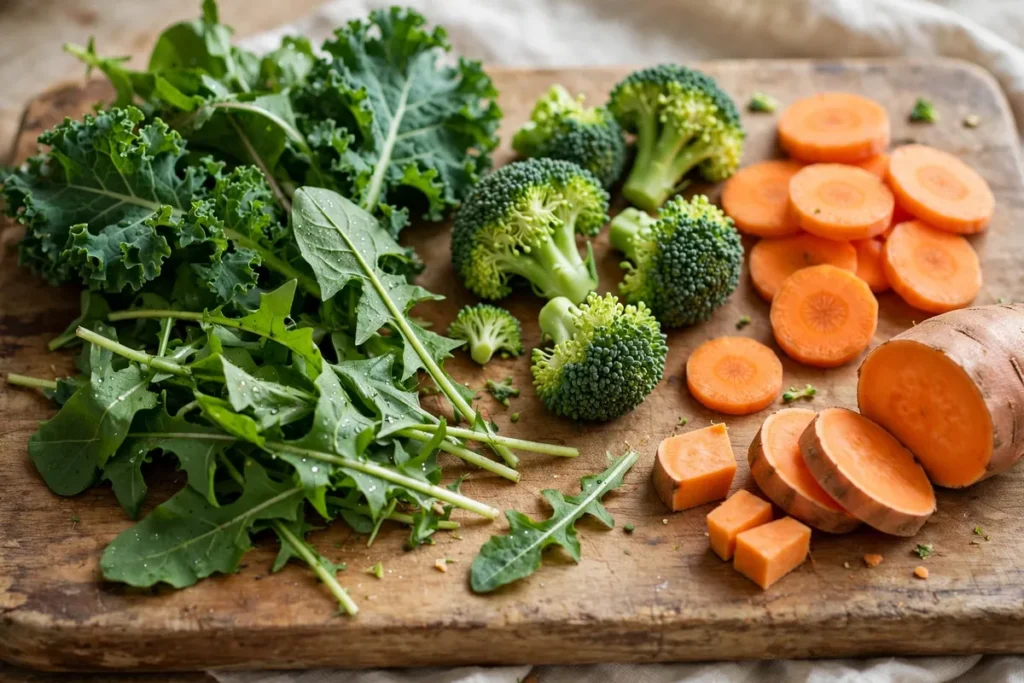
Add fresh food every day. Offer leafy greens, broccoli, carrots, and sweet potato in small amounts each day, and remove uneaten fresh food after a few hours. Avoid avocado, chocolate, onion, and garlic, which are toxic to birds.
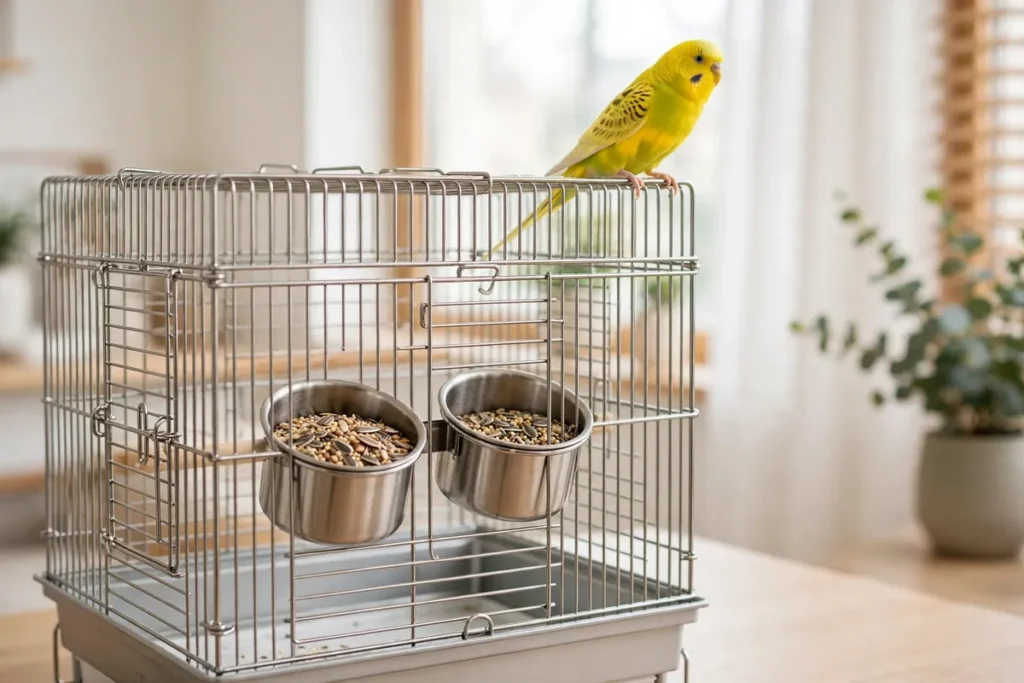
Switch foods slowly. Mix the new food with the old and offer pellets first thing in the morning — it can take weeks. Never remove all familiar food at once. If you are setting up a home for a new budgie, our guide to the best bird cage for beginners covers cages, placement, and first-week essentials.
FAQ
What do parakeets eat besides seed?
A healthy budgie diet is mostly pellets, plus fresh vegetables such as leafy greens, broccoli, and carrots, and a small amount of quality seed.
Can parakeets eat only pellets?
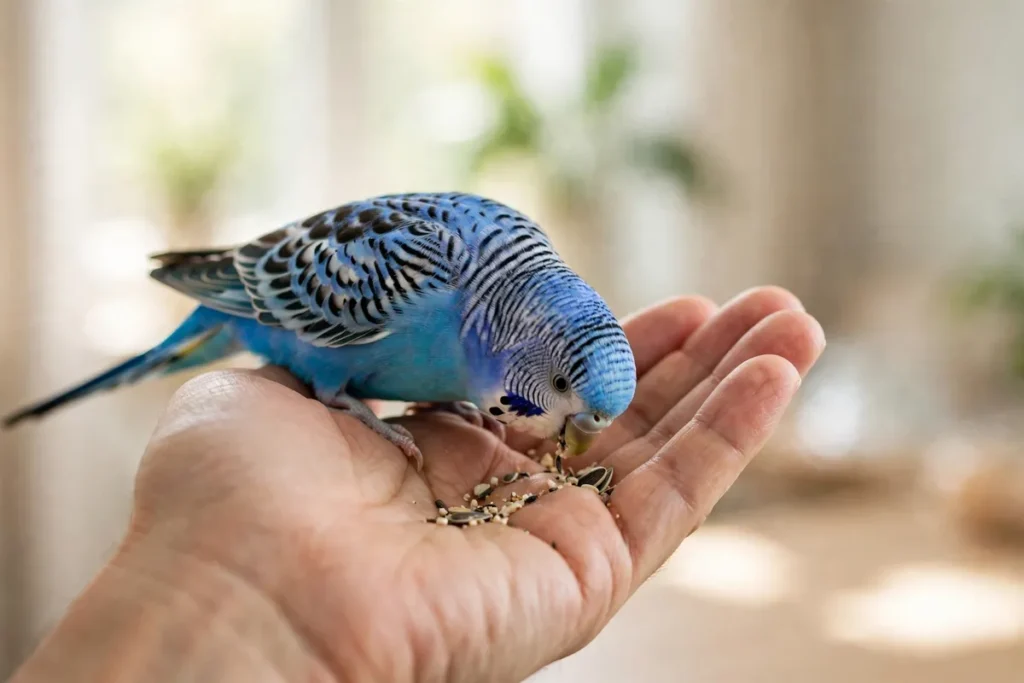
Pellets are nutritionally complete, so a bird can live on pellets alone, but most owners do better offering pellets as the main food with some seed and fresh vegetables alongside.
How much food does a parakeet eat per day?
A budgie eats roughly 1 to 2 teaspoons of dry food per day, depending on its size, age, and activity. Remove empty husks, and check that your bird is actually eating — a full-looking dish can be mostly empty shells.
How do I get my budgie to eat pellets?
Mix a small amount of pellets into the seed your bird already eats, and offer pellets in a separate dish in the morning when your bird is hungriest. Lafeber’s guide to getting a parakeet to eat pellets explains this gradual switch in detail. Try different brands and flavors — some birds prefer fruit-flavored pellets at first. Be patient: conversion can take weeks, and forcing the change by removing all seed is dangerous.
The Bottom Line
For most parakeets, Kaytee Forti-Diet Pro Health is the best place to start — affordable, widely available, and accepted by almost every budgie. To move to pellets, ZuPreem Smart Selects is the best bridge from seed, and Harrison’s Adult Lifetime Super Fine is the best premium pellet once your bird converts. For picky birds, ZuPreem FruitBlend gets them eating pellets, and Dr. Harvey’s is the best natural seed blend. Whichever you choose, pair it with fresh vegetables every day and keep the seed portion modest.
Disclaimer: This article is for general information only and is not veterinary advice. If your parakeet stops eating, loses weight, or shows changes in droppings or behavior, ask an avian veterinarian promptly.