Wet Dog Food vs Dry Dog Food: Which Is Better for Your Dog? (2026)
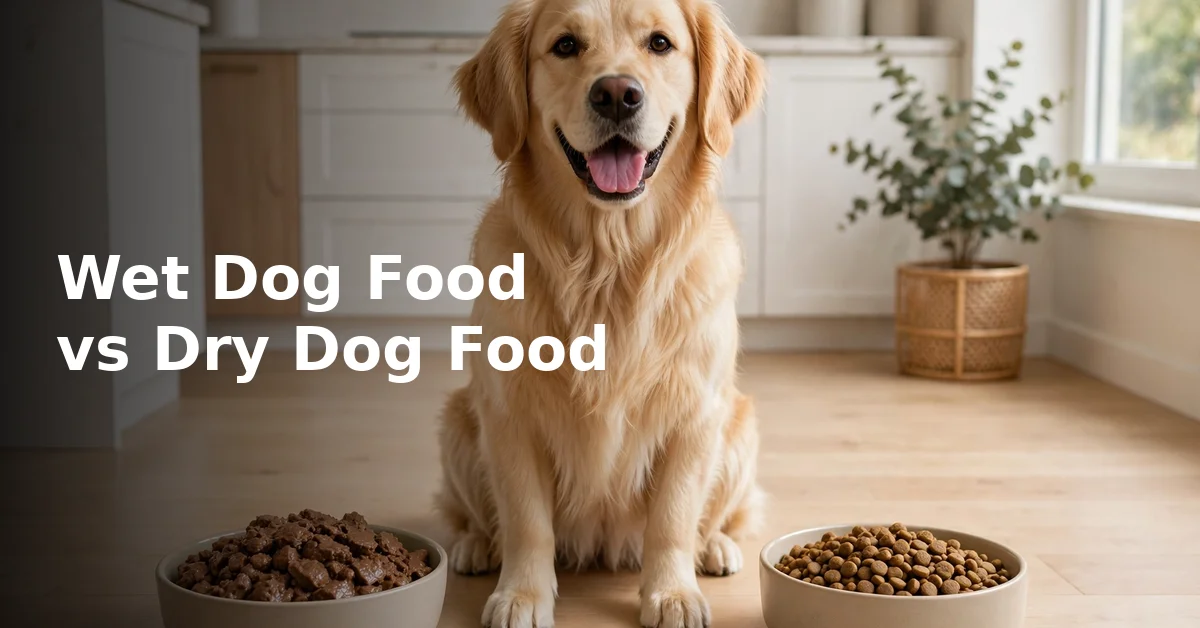
Wet dog food vs dry dog food is one of the first decisions every dog owner faces, and the honest answer is that neither type wins outright. Both can keep a dog healthy when the recipe is complete and balanced, and both have real drawbacks. The right choice depends on your dog’s age, size, health, appetite, and your budget.
Prices change — check the current price before buying.
In This Article
Wet Dog Food vs Dry Dog Food at a Glance
| Wet Dog Food | Dry Dog Food | |
|---|---|---|
| Moisture | Around 70–80% water | Around 10% water |
| Calories per gram | Lower — dogs eat a larger volume | Higher — a smaller portion fills them up |
| Cost per day | Usually higher | Usually lower |
| Storage after opening | Fridge, use within 2–3 days | Sealed bag or container, weeks |
| Palatability | Strong smell and soft texture — most dogs love it | Milder smell — picky dogs may ignore it |
| Dental effect | No crunching action | Crunching may help reduce tartar slightly |
If you only remember one thing, remember this: the label matters more than the format. Look for a statement that the food is complete and balanced for your dog’s life stage, following AAFCO nutrient profiles or feeding trials. A complete and balanced dry food beats a poor-quality wet food, and the reverse is just as true.
What Is Wet Dog Food?
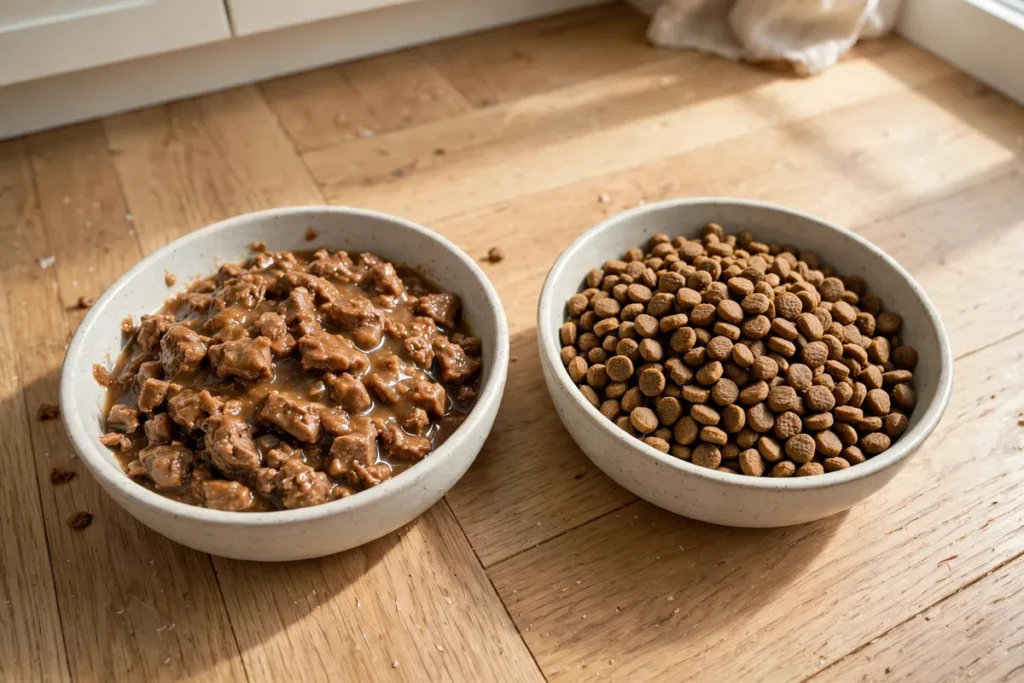
Wet dog food comes in cans, pouches, and trays. It is cooked during processing and sealed in its own juices, which is why it stays soft and smells strong. Most wet foods are around 70–80% water, so a dog eats a much larger volume to get the same calories as a small bowl of kibble.

Dogs usually find wet food more appealing. The strong aroma and soft texture tempt picky eaters, older dogs with fewer teeth, and dogs recovering from illness or surgery.
The trade-offs are cost and convenience. Wet food costs more per calorie than dry food, especially for large dogs that need several cans a day. Once opened, a can must be refrigerated and used within two to three days. It also does nothing for your dog’s teeth — soft food does not scrape plaque the way crunching does.
What Is Dry Dog Food?
Dry dog food, or kibble, is cooked, dried, and shaped into small pellets. It contains only around 10% moisture, so it packs far more calories into each gram than wet food. A cup of kibble can hold as many calories as a whole can of wet food.
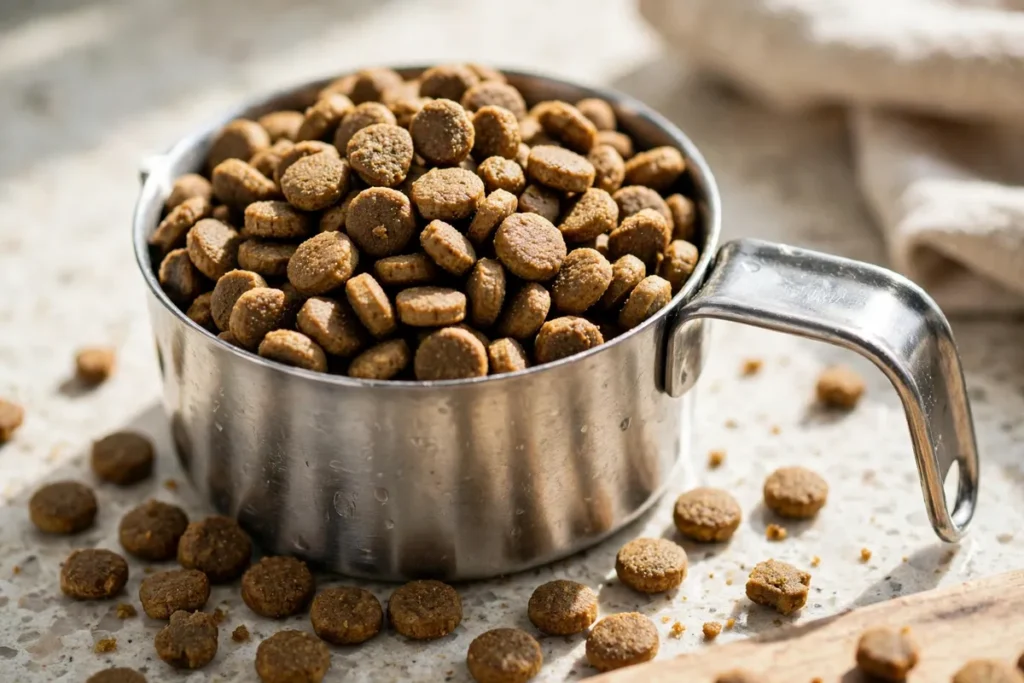
Kibble is the practical choice for most households. It costs less per day, stores for weeks in a sealed bag or airtight container, is easy to measure, and works well in puzzle feeders and slow feeders.
The main drawback is palatability. Some dogs, especially small breeds and fussy eaters, turn their nose up at plain kibble. Dry food also adds almost no water to your dog’s diet, so dogs that do not drink enough can run low on fluids. And while crunching kibble may help reduce tartar a little, it is no substitute for brushing — dental disease is still common in dogs fed only kibble.
Nutrition Compared: Is One Healthier?
Nutritionally, wet and dry dog food are more alike than most owners expect. Both formats can be complete and balanced, and both can be poor quality. The recipe — the ingredients, the nutrient levels, and the manufacturer — matters far more than whether the food is wet or dry. The AKC’s guide to fresh food vs raw food vs kibble is a useful second opinion if you want to read more.
There are a few real differences worth knowing. Wet food usually contains more meat and animal-based protein per calorie, because water replaces the starchy fillers that kibble needs to hold its shape. Dry food usually contains more carbohydrate, since starch is part of how kibble is made. Neither is automatically better: active dogs often do well on the energy density of kibble, while overweight dogs can benefit from wet food’s lower calorie density.
Puppies have different nutritional needs from adult dogs, and large-breed puppies need carefully controlled calcium levels. Whatever format you choose, pick a recipe made for your dog’s life stage. Our guide to the best dog food for puppies explains what to look for, and owners of bigger pups should also see our picks for the best puppy food for large breeds.
If your dog has a health condition such as kidney disease, diabetes, or obesity, ask your vet which format suits them. Vets often recommend wet food for kidney problems because of the extra water, and for diabetic dogs because many wet recipes are lower in carbohydrate.
Cost Compared
Dry food wins on cost for almost every household. Kibble is cheaper to make, cheaper to ship because it contains no water weight, and cheaper to store. For a small dog, the difference may be a few dollars a week. For a large dog eating several cans a day, wet food can cost two to three times as much as kibble.
A spoonful of wet food mixed into kibble can make a boring meal appealing without paying for a full wet diet.
Dental Health: Does Kibble Clean Teeth?
This is one of the most repeated claims in pet food marketing, and the truth is more modest than the ads suggest. Crunching kibble can scrape a small amount of plaque from the tooth surface, and some dental kibbles are designed with a larger size and a fiber structure that makes dogs chew more. But most dogs swallow kibble nearly whole, so the cleaning effect is small.
Wet food offers no dental benefit at all, but that does not make kibble a dental plan. The most effective home dental care is still brushing, followed by dental chews approved by the Veterinary Oral Health Council.

Our Greenies dental treats review looks at one of the most widely sold dental chews and whether it is worth the money.
Hydration: The Hidden Advantage of Wet Food
Most healthy dogs drink enough water on their own, but some do not — especially older dogs, dogs in hot weather, and dogs that eat only dry food. Wet food quietly adds a large amount of water to the diet: a dog eating wet food can take in a whole extra bowl of water a day without drinking it.
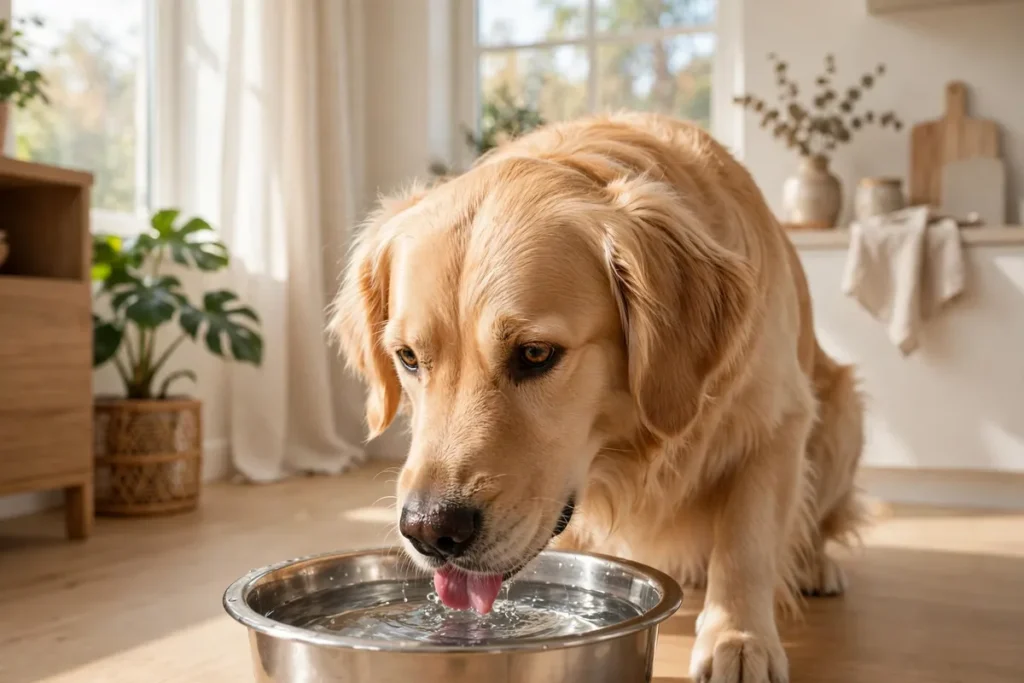
That extra moisture helps in several situations. Dogs prone to urinary problems benefit from more dilute urine, and dogs with kidney disease are often prescribed wet diets for exactly this reason. If your dog rarely visits the water bowl, mixing in wet food is one of the simplest ways to improve their fluid intake. PetMD’s guide to dry vs wet dog food lists higher moisture as one of wet food’s main benefits, especially for dogs that do not drink enough.
Convenience and Storage
Dry food is the clear winner for busy households. A bag of kibble stays fresh for weeks once opened if it is sealed and kept cool and dry, it is easy to portion with a measuring cup, and it works in automatic feeders, puzzle toys, and training pouches. It also makes far less mess — no can opener, no fridge, no smell.
Wet food needs more effort. An open can goes in the fridge, must be used within two to three days, and should be warmed slightly before serving, since dogs prefer food near room temperature. Half-eaten cans are also a common source of kitchen smells. On the other hand, wet food is easier to serve to dogs that struggle to chew, and single-serve pouches solve the storage problem for small dogs.
Which Dogs Benefit Most From Wet Food?
Wet food is the better choice for puppies and older dogs with sore mouths or missing teeth, for picky eaters that refuse kibble, for dogs recovering from illness, and for dogs that need more water in their diet.
Which Dogs Benefit Most From Dry Food?
Dry food suits most healthy adult dogs, especially medium and large breeds where cost matters, active dogs that need energy-dense meals, and households that value convenience. It is also the better choice for training, since kibble works as a low-value training treat straight from the daily food allowance, and for owners who travel or use automatic feeders.
Can You Mix Wet and Dry Dog Food?
Yes, and for many dogs this is the best answer of all. Mixing gives you the palatability and moisture of wet food with the cost and convenience of dry food. A common split is around one quarter wet food to three quarters kibble by calories, but any ratio works as long as the total daily amount stays the same.
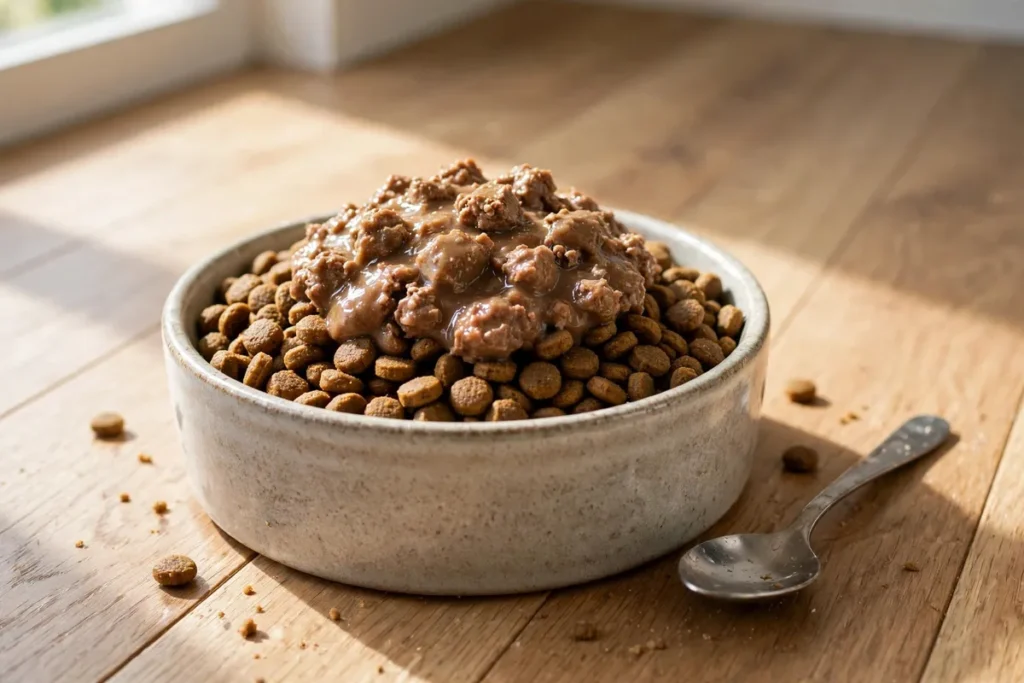
The one rule is to keep the total calories constant. When you add wet food, reduce the kibble by the same number of calories, or your dog will gain weight. Check the feeding guide on both packs, and weigh the food for the first week until you know the right amounts by eye.
How to Switch From One to the Other
Dogs have sensitive stomachs, so switch gradually over seven to ten days. Start with about one quarter new food and three quarters old food for two or three days, then move to half and half, then three quarters new, then fully new. If your dog develops loose stools or refuses the food, slow down and stay at the previous ratio for a few more days.
FAQ: Wet Dog Food vs Dry Dog Food
Is wet dog food better than dry dog food?
Neither is better for every dog. Wet food is better for hydration, palatability, and dogs that struggle to chew. Dry food is better for cost, convenience, and storage. A complete and balanced recipe in either format is a good choice.
Can I feed my dog only wet food?
Yes, as long as the food is labeled complete and balanced for your dog’s life stage. The main downsides are cost and the lack of any dental benefit, so keep up with brushing and dental chews.
Does dry dog food clean my dog’s teeth?
Only a little. Crunching can remove some surface plaque, but it does not replace brushing. Dogs fed only kibble still develop dental disease, so brush your dog’s teeth regularly regardless of what you feed.
Is it okay to mix wet and dry dog food every day?
Yes. Mixing is a common and healthy approach. Just keep the total daily calories the same by reducing the kibble when you add wet food, so your dog does not gain weight.
The Bottom Line
Wet dog food vs dry dog food has no single winner. Choose wet food if your dog is picky, older, has a sore mouth, or needs more water in their diet. Choose dry food if you want lower cost, easier storage, and convenience. Or mix the two and get most of the benefits of both. Whichever you choose, pick a complete and balanced recipe for your dog’s life stage, measure the portions, and watch your dog’s weight, coat, and energy — those tell you more about a food than any label claim.
Disclaimer: This article is for general information only and is not a substitute for veterinary advice. If your dog has a medical condition, is overweight, or has trouble eating, talk to your veterinarian before changing their diet.